


Pet Dental Health: Why It Matters for Your Dog or Cat
If you’ve ever caught a whiff of your dog’s breath and recoiled, you’re not alone — and you’re noticing something that matters more than most owners realize. Pet dental health is one of those quietly important topics: easy to overlook because the teeth are hidden most of the time, but closely tied to how comfortably your pet eats, plays, and goes about their day. A surprising number of adult dogs and cats show some sign of dental trouble by middle age, often without their owners noticing until it’s advanced.
The encouraging part is that basic dental care is genuinely simple. You don’t need special skills or expensive equipment — just a little routine, some observation, and a vet who checks the mouth at regular visits. This guide explains why teeth deserve a place on your pet-care radar, what trouble looks like, what you can do at home, and when to let the professionals take over.
Quick Tips
- Lift your pet’s lip once a week and look at the teeth and gums — it takes ten seconds.
- Bad breath that doesn’t go away, red gums, or drooling can signal dental trouble worth a vet visit.
- Brushing a few times a week with pet toothpaste is the most effective home care.
- Never use human toothpaste — it isn’t made to be swallowed and can upset pets.
- Dental chews and appropriate chew toys can help, but they don’t replace brushing.
- Ask your vet to check teeth at every routine visit; early findings are easier to manage.
Why Pet Dental Health Deserves Your Attention
Teeth do a lot of quiet work. Dogs use their mouths the way we use our hands — carrying, chewing, exploring, playing — and cats rely on theirs for grooming as well as eating. When something hurts in the mouth, many pets don’t limp or cry; they just eat a little more slowly, favor one side, drop food, or become slightly less enthusiastic about chew toys. Owners often chalk these changes up to aging or pickiness, when the real story is dental discomfort that’s been building for months.
Dental problems also tend to snowball. What starts as a thin film of plaque hardens into tartar within days if it’s not removed, and tartar gives bacteria a textured surface to cling to along the gumline. Irritated gums can recede or bleed, and over time the structures holding teeth in place can weaken. Catching things at the “mild buildup” stage is dramatically simpler — for your pet and your wallet — than dealing with advanced disease later. This is one of those areas where a small routine now prevents a big intervention later.
There’s also the whole-pet angle. A sore mouth can affect appetite and nutrition, and chronic mouth discomfort may make a normally sweet pet grumpy about head handling or play. None of this means every unbrushed tooth is an emergency — most pets do fine for long stretches — but it does mean teeth earn a regular spot on the checklist alongside weight, coat, and ears. If you’re building that routine-visit habit, regular vet checkups matter explains what those appointments cover and why the mouth check is part of them.
Signs of Dental Trouble to Watch For
You don’t need to be a dentist to spot the common warning signs. Make a habit of lifting the lip and having a quick look — weekly is plenty — and watch for these clues in daily life.
What healthy looks like
Healthy gums are generally pink (some pets have naturally pigmented dark patches, which is normal for them), and teeth should look reasonably clean and white or off-white, without heavy yellow-brown crusting along the gumline. Knowing your own pet’s normal is the whole game: the first time you look, you’re establishing a baseline, and after that you’re watching for changes.
Warning signs worth noting
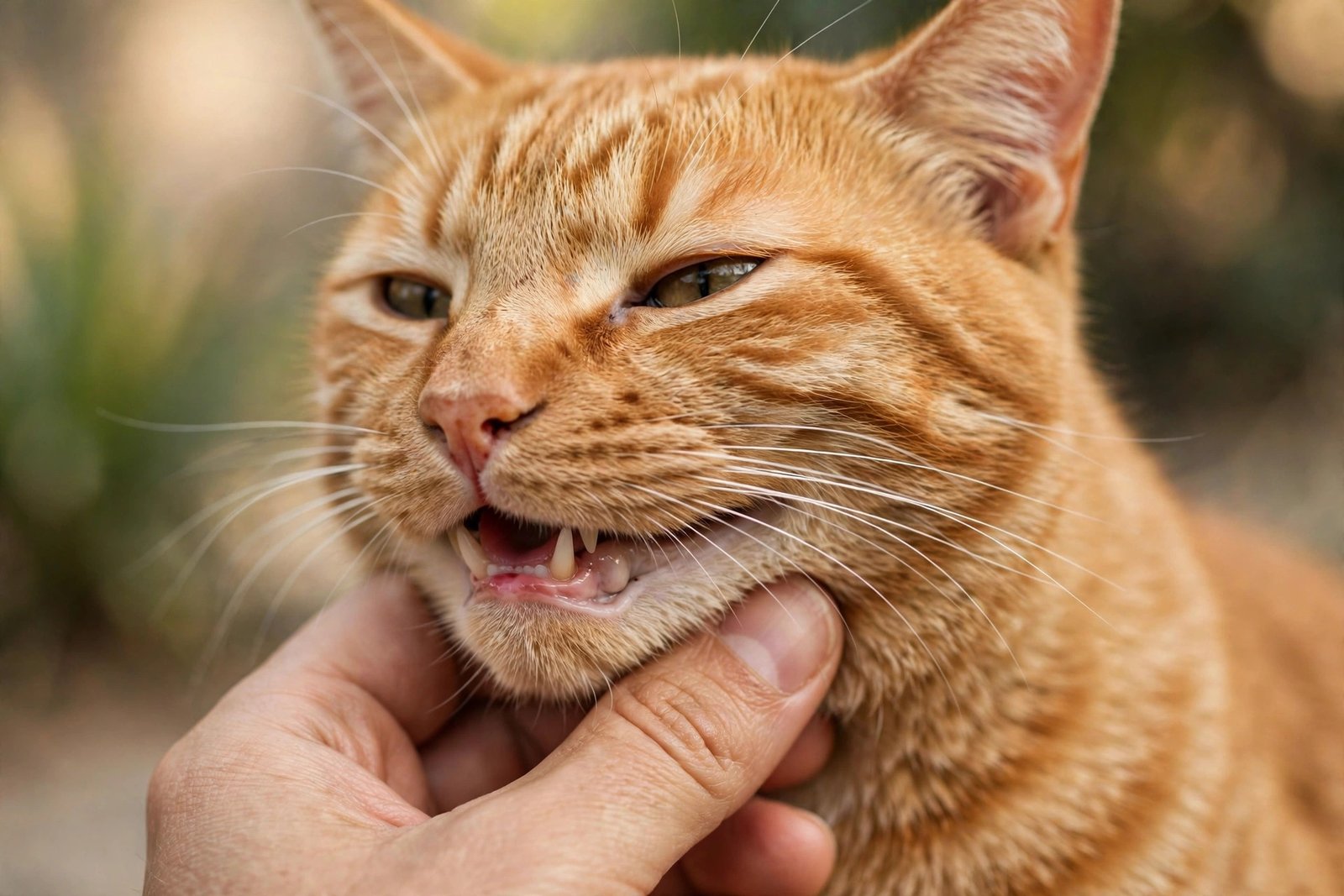
Persistent bad breath is the classic early flag — not “ate something gross” breath, but a consistently unpleasant odor. Red, swollen, or bleeding gums, visible tartar buildup (yellow-brown crust, especially on the upper back teeth), drooling more than usual, pawing at the mouth, dropping food, chewing on one side, or reluctance to eat hard food or chews can all suggest dental discomfort. Any of these on their own might have a harmless explanation, but a cluster of them — or any single one that persists — is worth mentioning to your vet.
Cats hide it especially well
Cats are masters of carrying on as normal, and dental issues in cats can be easy to miss. Subtle signs include eating more slowly, preferring wet food over dry suddenly, drooling, or shying away when you touch near the mouth. Some cats develop a condition where the body essentially resorbs parts of the teeth, which can be quite painful — another reason the “she’s just getting picky” explanation deserves a second look. If your cat’s eating habits change, teeth belong on the list of things to check with your vet.
Pet Dental Health at Home: What Actually Works
Home dental care doesn’t have to be elaborate to be effective. Consistency beats intensity — a quick brush a few times a week does more than an ambitious monthly deep-clean.
Brushing: the gold standard
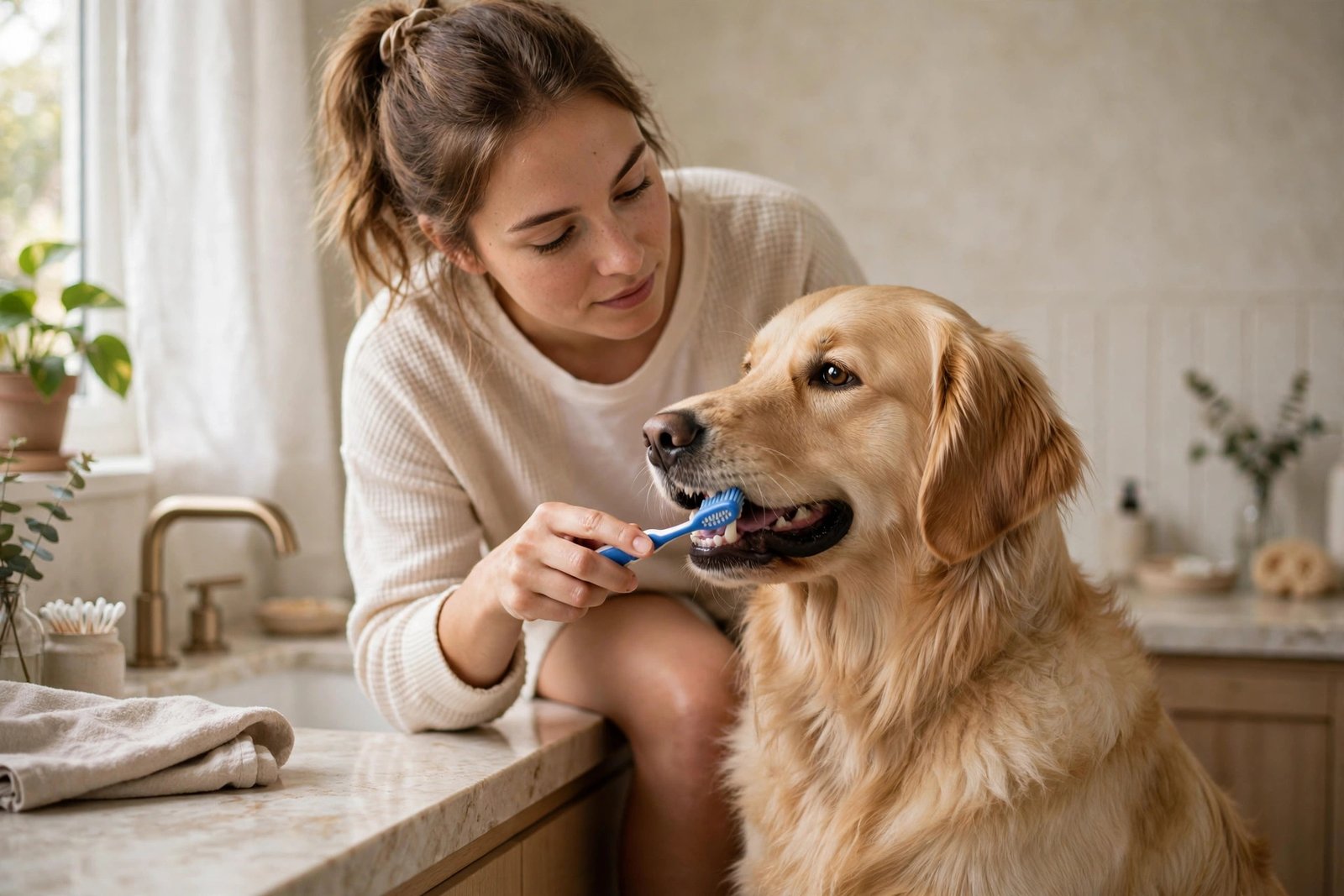
Brushing remains the most effective thing you can do at home, because it physically removes plaque before it hardens into tartar. Use a pet toothbrush (or a finger brush for beginners) and pet-formulated toothpaste — these come in flavors like poultry or peanut butter and are made to be swallowed, unlike human toothpaste. Start slowly: let your pet lick the toothpaste first, then brush just the outer surfaces of a few teeth, building up over days or weeks. Most pets accept the routine surprisingly well once the “weird new thing” phase passes. For a full walkthrough, how to brush your dog’s teeth covers technique, tools, and troubleshooting for reluctant brushers.
Dental chews, diets, and toys
Dental chews with a texture designed to scrub as the pet gnaws can help reduce buildup between brushings — look for products with recognized dental certifications rather than vague “cleans teeth!” claims. Some pet foods are formulated for dental benefit too, though they’re a supplement to care, not a replacement. Appropriate chew toys (sized right, not rock-hard) give the teeth and gums a natural workout. Just skip the extremely hard items — antlers, bones, and nylon bones that don’t give at all have a reputation for cracking teeth, which turns a prevention strategy into an emergency.
What doesn’t work as well as people hope
Water additives and dental wipes get mixed reviews — they may help a little, but the evidence for them doing the heavy lifting is thin, and they shouldn’t replace brushing. “Anesthesia-free” dental cleanings offered outside vet clinics are controversial: they may improve appearances but can’t clean below the gumline where the real disease hides, and they carry risks without proper monitoring. If a professional cleaning is needed, it’s a vet-clinic procedure — discuss the options, risks, and benefits with your vet directly.
Professional Dental Care: What to Expect
Even with great home care, most pets benefit from professional assessment, and some will eventually need a proper dental procedure. Knowing what that involves takes the mystery (and much of the worry) out of it.
At a routine visit, your vet will look at the teeth and gums and grade what they see. They may recommend a dental cleaning under anesthesia if there’s significant tartar, gum disease, or a tooth that needs a closer look — anesthesia allows a complete examination including below the gumline and dental X-rays, which reveal problems invisible from the surface. It’s natural to feel nervous about anesthesia; your vet will typically run pre-procedure blood work and monitoring, and you should feel free to ask about their protocols and your pet’s individual risk factors.
After a cleaning, home care becomes even more valuable — you’re essentially protecting a fresh start. Your vet may suggest a recheck schedule based on what they found. Pets with a history of dental disease often do best with more frequent professional eyes on the situation, paired with the home routine you’ve built. Think of it as teamwork: the clinic handles what you can’t reach, and your toothbrush handles the daily maintenance in between.
Frequently Asked Questions
How often should I brush my pet’s teeth?
Daily is ideal, but a few times a week still makes a meaningful difference — plaque takes roughly 24–72 hours to start hardening, so brushing every couple of days interrupts the cycle. If daily feels impossible, aim for consistency over perfection: three relaxed sessions a week that your pet tolerates beat one stressful marathon. Pair brushing with something pleasant, like a walk or a favorite game afterward, and most pets come to accept it as routine.
Is bad breath in dogs and cats normal?
Mild “pet breath” is normal, but strong, persistent bad odor usually isn’t — it’s one of the most common early pet dental health warning signs. That said, bad breath can occasionally relate to other issues (diet, stomach upset, or less commonly something systemic), so treat it as a prompt to look in the mouth and, if it persists, to check with your vet rather than as a diagnosis on its own.
Can I use human toothpaste on my pet?
No — human toothpaste isn’t meant to be swallowed, and it often contains foaming agents and fluoride levels designed for people who spit. Pets swallow whatever you put in their mouths. Pet toothpastes are formulated to be safe when swallowed and come in flavors pets actually tolerate, which makes the whole process easier. It’s a small purchase that removes a real obstacle.
Do dental chews really work?
The better ones can help reduce plaque and tartar buildup, especially between brushings — look for products carrying recognized veterinary dental certifications. But chews are a supporting act, not the headliner: they don’t clean the gumline as thoroughly as brushing, and some “dental” treats are mostly marketing. Used sensibly (right size for your pet, supervised chewing), they’re a useful part of the routine.
At what age should I start dental care?
As early as you can — handling a puppy’s or kitten’s mouth gently from the start makes lifelong care dramatically easier. But it’s genuinely never too late: many owners start brushing an adult or senior pet’s teeth with good results. Older pets may need a vet check first if there’s existing buildup or discomfort, so the home routine starts from a comfortable baseline rather than brushing over sore gums.