
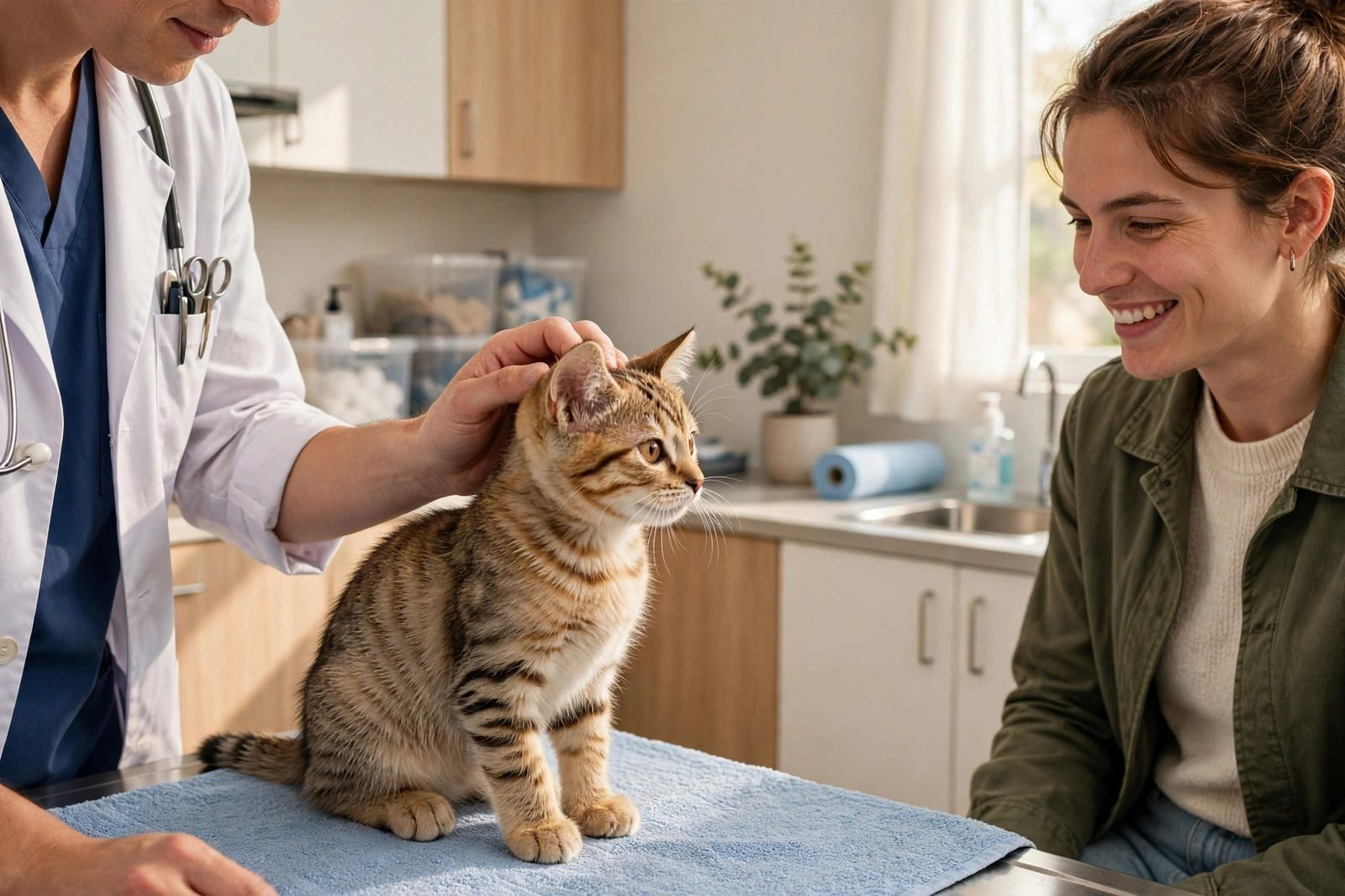

I remember my first vet visit with my first dog like it was yesterday, mostly because of how unprepared I was. I showed up twenty minutes late because I couldn’t find the carrier latch, forgot every piece of paperwork I was supposed to bring, and my “questions list” was a blank page I kept meaning to fill in. The vet was kind about it. The receptionist was kind about it. My puppy, who had decided that exact morning was the perfect time for a car-sickness incident, was not kind about it.
You don’t need to be perfect. But a little preparation turns the first vet visit from a scramble into something genuinely useful — for you, for the vet, and for your new pet. I’ve been through the process with dogs, cats, and a rabbit I’m not supposed to admit to, and the same principles hold every time. Here’s how to walk in looking (and feeling) like someone who’s got it together.
Published: May 14, 2026 | Last updated: May 14, 2026
Quick Tips
- Book the appointment within the first week of bringing your pet home.
- Bring any adoption, breeder, or medical paperwork — even if it looks incomplete.
- Write down your questions beforehand; you’ll forget them in the moment.
- Note your pet’s food, treats, and any habits or quirks you’ve noticed.
- Bring a secure carrier for cats and a short leash for dogs.
- Arrive 10–15 minutes early to handle check-in calmly.
- Ask about costs and wellness plans before treatment is suggested, not after.
When to Book That First Appointment
Sooner than you think. The general guidance most vets give is within the first week after your pet comes home — and for puppies and kittens, even sooner if they haven’t had any veterinary care yet. My first vet visit with my dog happened on day three, mostly because the shelter had told me to come in within a week and I wanted to stop feeling guilty about the paperwork sitting on my counter.
There’s a practical reason for the timing. New pets are stressed by the move, and stress can unmask health issues that were hiding. An early exam gives you a baseline: your vet sees your pet fresh from the transition, spots anything that needs attention, and you get a professional opinion on all the things you’ve been worrying about at 2 a.m. (Yes, that clicking sound he makes when he breathes is normal. No, I don’t know why I was so sure it wasn’t.)
When you call to book, mention that this is a first visit for a new pet. Clinics often schedule extra time for new-pet exams, and knowing the species, age, and where the pet came from helps them prepare. If you adopted from a shelter, ask the shelter if they have a partnered vet — many offer a free or discounted first exam within a window after adoption. Mine did, and I nearly missed it because the voucher was folded inside the adoption folder I hadn’t fully opened.
What to Bring (The Checklist I Wish I’d Had)
Here’s the part that makes the biggest difference for the least effort. Gather this stuff the night before and put it by the door. Future you, running on four hours of sleep because the puppy discovered 4 a.m., will be grateful.
Paperwork and Records
Bring everything you were given when you got your pet: adoption or purchase papers, vaccination records, deworming or microchip info, and any notes from the breeder or shelter about diet, behavior, or health. Even a half-legible vaccination sticker on a crumpled receipt is useful. Your vet is basically building your pet’s medical file from scratch, and anything you can hand over saves guesswork.
If your pet came from a breeder, bring whatever feeding instructions they gave you — the exact food name, portion size, and schedule. Sudden diet changes are a top cause of new-puppy stomach drama, and your vet will want to know what’s going into your pet. If you don’t have the name, bring a photo of the bag. (Yes, I did this. Yes, the vet laughed. Yes, it worked.)
Your Questions, Written Down
This is the single most useful thing you can do. You will walk into that exam room full of questions, and you will walk out having asked exactly none of them because your pet did something adorable and derailed your train of thought. Write the list on your phone or a scrap of paper and read from it shamelessly. Vets love prepared owners.
Good first-visit questions include: What should my pet be eating, and how much? What vaccine schedule are we following? When should we spay or neuter? What parasite prevention does my area need? What training or behavior things should I be doing now? What’s normal at this age, and what would warrant a call? If you’ve been wondering about a puppy vaccination schedule, this is the perfect moment to get your vet’s version for your specific puppy rather than guessing from the internet.
The Practical Gear
Cats travel in a secure carrier — always. A cat held in arms in a waiting room full of dogs is a recipe for a lost pet and a bad day. For dogs, bring a short leash (not a retractable one; those turn waiting rooms into chaos) and a collar or harness your dog can’t slip out of. Nervous dogs can wriggle out of gear that fits fine at home, so give everything a snugness check before you leave.
Bring treats — the high-value kind your pet goes crazy for. You’ll want them for the car, the waiting room, and the exam table. A favorite toy or a blanket that smells like home can help settle a nervous animal.
Your Pet’s Story So Far
The vet will ask about appetite, water intake, bathroom habits, energy level, and anything unusual. “Anything unusual” is hard to answer on the spot, so jot down observations in the days before the visit: Is the puppy eating well? Any vomiting or diarrhea? Coughing, sneezing, scratching? How’s the litter box situation? Even small things matter. I once mentioned in passing that my kitten sneezed three times in a row one morning, and it turned out to be worth knowing.
If you’ve been working on basics like house training your puppy, mention how it’s going — vets can tell you whether the pace is normal or whether something’s off. Behavior and health are more connected than most new owners realize.

Getting Your Pet There Without Drama
The journey matters more than you’d think. A panicked car ride sets the tone for the whole visit, and a calm one gives you a head start. The fix is boring but effective: practice.
For dogs, take a few short practice drives before the appointment — around the block, with treats, ending somewhere pleasant. Most puppies are nervous about cars simply because every car ride so far has ended somewhere weird. Two or three uneventful trips rewrite that story fast. For cats, leave the carrier out in the living room for a few days before the visit, with treats or a soft blanket inside. A carrier that’s been sitting in the closet for a year and only appears on vet day is basically a threat.
On the day itself, exercise your dog before you go — a tired dog is a calmer dog. Feed a light meal rather than a full one, in case of motion sickness. And give yourself more time than you think you need; rushing with an animal is the fastest route to a forgotten leash and tears (usually the human’s).
What Actually Happens in the Exam Room
Here’s the part nobody explains, and knowing it in advance made my second visit ten times better than my first. A first exam usually runs 20 to 30 minutes and follows a rhythm.
First, the history. The vet or tech will ask about everything: where the pet came from, diet, behavior, bathroom habits, the records you brought, your questions. This is your moment to talk — don’t downplay things. “He’s been a little quiet” or “she sneezes sometimes” is useful information, not complaining.
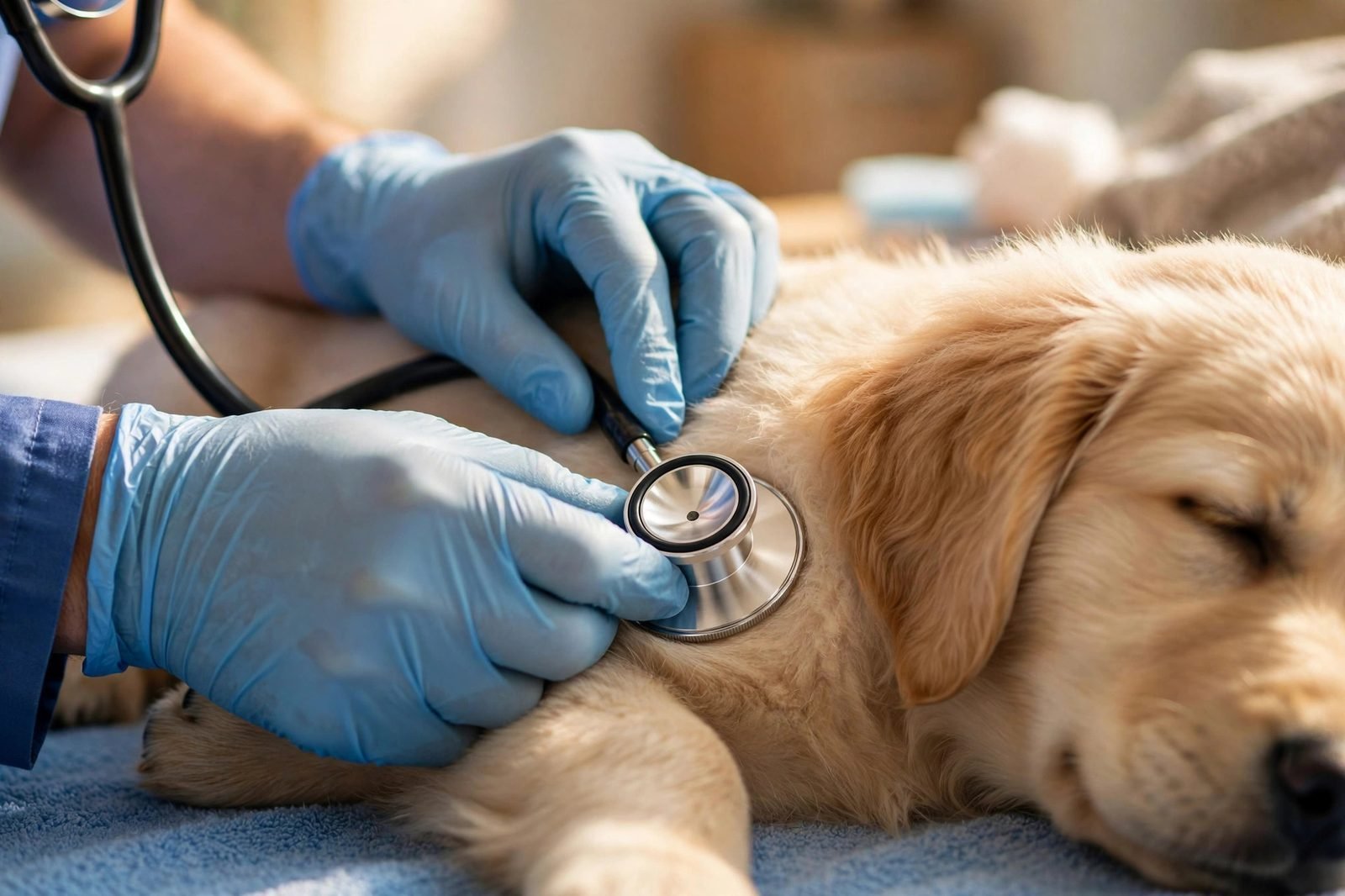
Then the physical exam: eyes, ears, mouth and teeth, listening to heart and lungs, feeling the belly, checking skin and coat, weighing. Puppies and kittens usually get their age-appropriate vaccinations during this visit if they’re due, and your vet will explain which ones and why.
You’ll also likely discuss parasite prevention, nutrition, spay/neuter timing, microchipping, and dental care basics. It’s a lot of information — ask the vet to prioritize what’s urgent and what can wait. And if they use terms you don’t know, ask. I’ve never once had a vet act annoyed at a clarifying question.
The Money Conversation
Let’s talk about the awkward part. First visits cost money — typically the exam fee plus any vaccines, tests, or prevention products, which adds up fast. It’s completely normal and professional to ask about costs before agreeing to anything. “What does that cost?” is not a rude question; it’s a responsible one.
Ask whether the clinic offers wellness plans or puppy/kitten packages that bundle exams, vaccines, and prevention at a discount. Ask what each recommended test or product is for, and whether it’s essential now or can wait. Pet insurance is also worth asking about — many policies are cheapest when started while the pet is young and healthy, before any pre-existing conditions exist.
Frequently Asked Questions
How soon after adopting should I visit the vet?
Within the first week is the standard recommendation, and sooner if your new pet hasn’t seen a vet at all or seems unwell. Many shelters include a free first exam with a partner clinic — check your adoption paperwork before that window expires.
What does a first vet visit cost?
It depends on your area and what your pet needs, but expect an exam fee plus the cost of any vaccines, tests, or parasite prevention given that day. Ask for an estimate when you book, and ask about puppy/kitten wellness packages — bundling the first year’s care usually costs less than paying visit by visit.
What if my cat is terrified of the carrier?
Leave the carrier out in your home for several days before the visit with treats and bedding inside so it stops being a scary object. Covering the carrier with a towel in the waiting room helps enormously. If it’s truly extreme, call the clinic — they may suggest a calmer appointment time or other strategies.
Can I stay with my pet during the exam?
Usually, yes — and most vets prefer it, since your presence calms your pet. Some procedures require the pet to go to a treatment area briefly, but the exam itself is almost always done with you in the room. If you’re squeamish about anything, it’s fine to say so.
What if I can’t afford everything the vet recommends?
Say so. Vets work with budgets every day and can help you prioritize what’s essential now versus what can wait. Ask about payment plans, wellness packages, and low-cost community clinics. Skipping the conversation and skipping the care are very different things — the first one has solutions.
[…] questions down, bring them to the appointment, and decide together. If you have not been yet, my first vet visit guide will help you walk in […]