


How to Choose a Vet for New Pet Parents: What to Look For
A good vet is your new pet’s most important relationship after yours — so it’s worth choosing deliberately. Learning how to choose a vet for new pet care isn’t complicated, but most first-time owners simply pick the closest clinic and hope for the best. This guide shows you what to look for, the questions that reveal a lot on a first phone call, what to notice on a clinic tour, and the red flags that mean you should keep looking.
One important note on scope: PawsGuide is a general pet care site, not a veterinary practice, and this article is about choosing a clinic — not about diagnosing or treating anything. For every health decision your pet will ever face, your vet is the authority. Think of this guide as helping you find the right person to trust with those decisions.
Quick Tips
- Start your search before you need one — ideally in your pet’s first week home, not during a 2 a.m. emergency.
- Ask other pet owners, your shelter or breeder, groomers, and local pet groups for recommendations; personal referrals beat ads.
- Call your top two or three clinics and ask about new-patient exams, pricing, hours, and emergency coverage before booking.
- Tour the clinic if you can: cleanliness, calm handling of animals, and unhurried answers are all good signs.
- Make sure you understand the emergency plan — who covers nights, weekends, and holidays, and where you’d actually go.
- Once you’ve chosen, our guide on how to prepare for the first vet visit makes day one smooth for you and your pet.
How to Choose a Vet for New Pet Care: Start With the Basics
Begin with logistics, because the best vet in the county is no good if you can’t get there. How far is the clinic, and is the drive manageable with a stressed animal in the car? What are the opening hours, and do they offer any evening or weekend appointments for people who work standard hours? A clinic ten minutes away with Saturday hours will serve you better over fifteen years than a famous practice across town that you dread visiting.
Next, gather recommendations. Other pet owners are the best source — ask what they like: clear explanations, written estimates, unhurried appointments. Your shelter often keeps a list of trusted local vets, and groomers hear honest feedback from dozens of clients. Read online reviews for patterns (repeated surprise billing, say) rather than single outliers.
Check credentials without overthinking: any licensed vet has extensive training. Note clinics accredited by a national veterinary hospital association, and whether the practice suits your species — some are dog-heavy, some feline-only. For exotic pets, confirm the clinic treats your species before going further.
The First Phone Call: Questions That Reveal a Lot
You can learn most of what you need in a single ten-minute call. Start with: do you take new patients, and how soon could we get a first wellness exam? Long waits for routine appointments can signal an overstretched practice — fine for established patients, frustrating when you’re new and your puppy needs a vaccine series on schedule.
Then ask the money questions plainly: the new-patient exam cost, whether you’ll see costs in writing before treatment, and payment options for larger bills. A good clinic answers without awkwardness. Ask about pet insurance too — clinic staff see claims daily and can tell you what actually gets covered.
Ask about the medical philosophy, too. How does the clinic approach preventive care — what’s included in a typical annual wellness visit? How do they handle after-hours emergencies: an on-call vet, a partnered emergency hospital, or “go to the ER and good luck”? And for multi-pet homes or nervous animals: can appointments be scheduled to minimize waiting-room time, and do they offer fear-free or low-stress handling approaches? The answers matter less than the attitude — you want a clinic that welcomes the questions. That’s what knowing how to choose a vet for new pet care really means: finding a team you’d trust with bad news, not just vaccines.
Finally, ask who you’ll actually see. In larger practices you may rotate between vets; in smaller ones you’ll usually see the same person. Neither is inherently better, but consistency helps — a vet who knows your pet’s history makes better judgment calls. If you’re bringing home a puppy or kitten specifically, ask about their approach to the early vaccine series and socialization guidance; the answer tells you how much they invest in new-pet education.
Touring the Clinic: What to Notice With Your Own Eyes
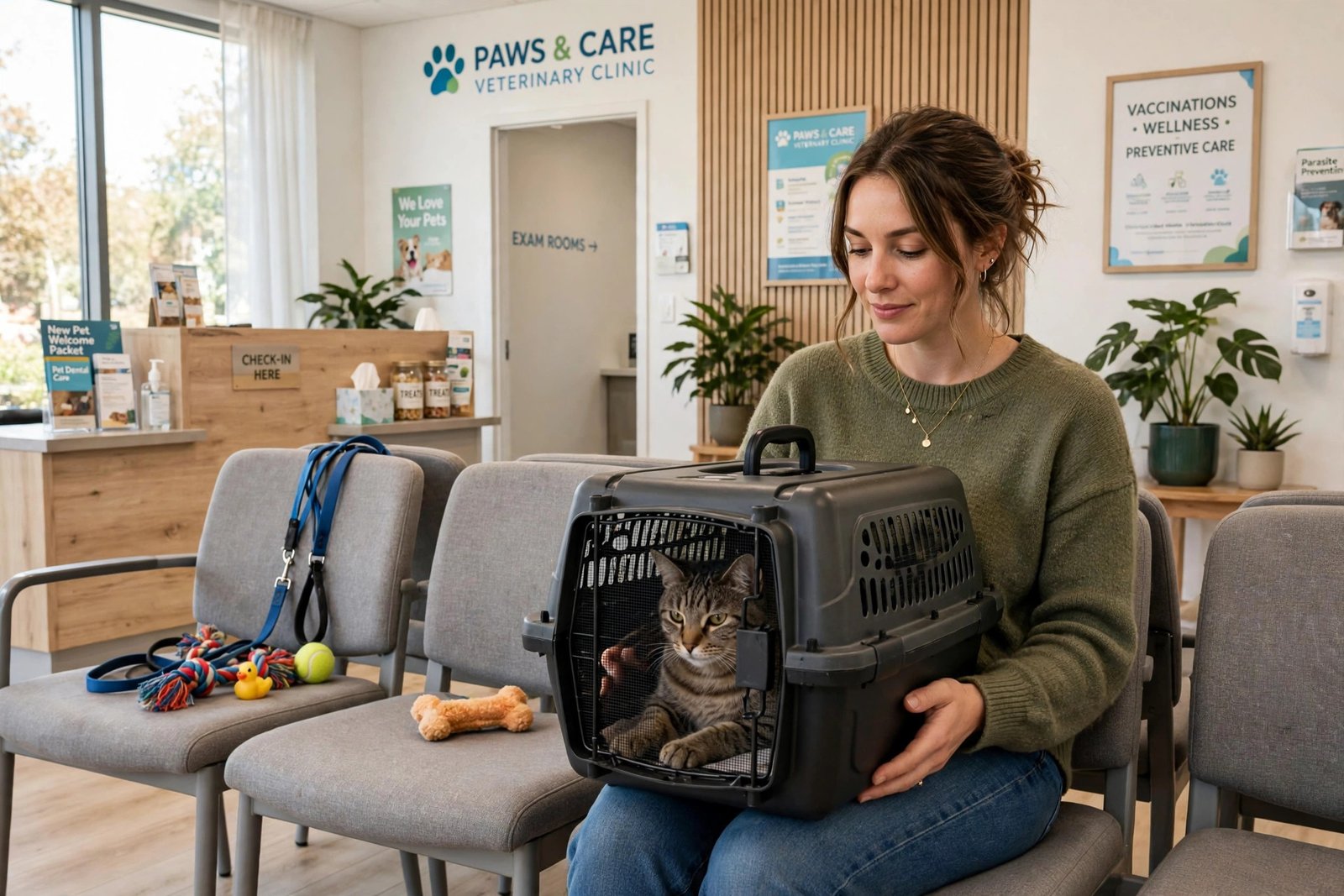
If a clinic allows a brief look around — many do if you ask — take it. You’re not inspecting for perfection; you’re reading the atmosphere. Is the waiting room clean and calm, with separate areas or scheduling for dogs and cats? Are the staff greeting animals by name and handling them gently? Does the place smell clean rather than strongly of disinfectant or worse? Trust the overall impression: a clinic that feels chaotic or tense at 10 a.m. on a Tuesday will feel worse during your emergency.
Watch how the team interacts: unhurried, kind receptionists; techs who talk to the animals, not just about them. Many owners say support staff reveal more about clinic culture than the vet does — these are the people who’ll handle your pet and squeeze you in when something’s wrong.
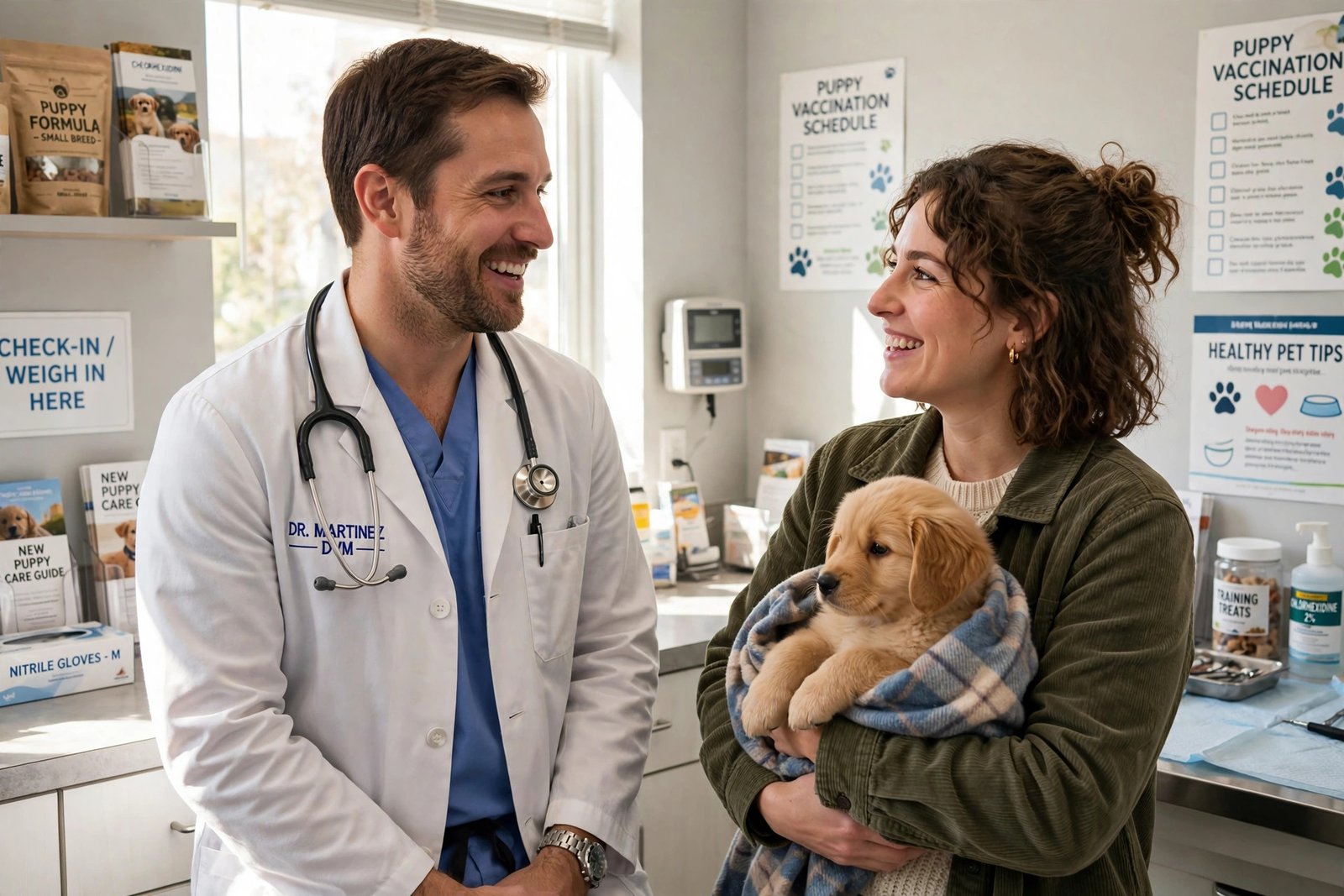
Notice the communication style in the exam room if you observe one. Does the vet explain what they’re doing and why, in plain language? Do they invite your questions or rush past them? The best vets narrate as they go — “I’m listening to the heart now; sounds good” — because they know an informed owner is a calmer, more compliant partner in the pet’s care. If you feel talked down to or rushed during a meet-and-greet, that dynamic rarely improves later.
One more thing to check: the clinic’s approach to your involvement. Can you stay with your pet for routine exams and blood draws, or is everything done “in the back”? Policies vary for good reasons, but a clinic that routinely separates owners from pets for simple procedures — without explanation — deserves a follow-up question about why.
Costs, Hours, and Emergency Coverage: The Unsexy Essentials
Vet care is a significant long-term cost, so understand the financial picture before you’re emotionally committed to a clinic. Beyond the exam fee, ask about the typical cost of core preventive care: annual exams, core vaccines, parasite prevention, and dental cleanings. Prices vary enormously by region, so local numbers beat national averages — and your vet’s office will give them to you if you ask.
Understand the emergency plan in detail, because this is the question most owners ask too late. Who covers the clinic’s patients at night, on weekends, and on holidays? Is there a partnered 24-hour emergency hospital, and how far is it from you? Some clinics have a vet on call; others direct you to an ER. Either is fine — what’s not fine is discovering the arrangement during an actual crisis. Save the emergency number in your phone the day you register, and drive the route once so you’re not navigating at midnight.
Also clarify the boring-but-important policies: booking lead times, cancellation policy, prescription refills, and how lab results reach you. Small frictions compound over a pet’s lifetime — an administratively easy clinic is one you’ll actually use for preventive care. Our article on why regular vet checkups matter explains what that preventive rhythm looks like.
Red Flags Worth Walking Away From
Most clinics are good. A few patterns, though, are worth taking seriously. The biggest: reluctance to give written estimates before treatment. Surprise billing destroys trust, and a clinic that won’t put numbers in writing is telling you something. Similarly, pressure to approve expensive diagnostics or treatments on the spot, without explanation of alternatives, is a bad sign — good vets explain options, including doing less, and let you decide.
Watch for dismissiveness. If your questions are treated as annoyances, if you’re rushed out of the exam room, or if staff seem irritated that you asked about costs, that culture won’t change once you’re a registered patient. The same goes for poor communication: results that never get called back, vague answers about what was actually done, or a different story from every staff member. You’re entrusting these people with a family member’s health — you should feel informed, not managed.
Facility red flags matter too: visibly dirty exam rooms, strong odors, stressed or fearful animals being handled roughly, and outdated equipment aren’t cosmetic issues — they reflect standards of care. And be cautious of clinics that badmouth every other practice in town; confidence is quiet. None of these observations require expertise to make. If a clinic feels wrong after a visit or two, switching vets is normal and easy — your new clinic will request the records, and most pets transition without any issue at all.
The bottom line: choosing a vet is choosing a long-term partner. Take the same care you’d take choosing a pediatrician — recommendations, a first conversation, your own eyes on the place, and honest answers to direct questions. Do that work once, in your pet’s first weeks home, and you’ll have a trusted guide for every health question the next fifteen years bring.
Frequently Asked Questions
When should I find a vet for a new pet?
Before or during your pet’s first week home — not during an emergency. Most shelters and breeders recommend a wellness exam within the first one to two weeks, which also establishes you as a patient before you urgently need one. Starting early gives you time to compare clinics calmly instead of choosing under pressure.
How much does a first vet visit cost?
It varies widely by region and clinic, but a new-patient wellness exam is typically a modest, predictable fee — the variable part is what follows (vaccines, parasite prevention, lab work). Always ask for the exam price and a written estimate for any recommended extras before they’re done. Your clinic should answer both questions without hesitation.
Should I choose a small clinic or a large animal hospital?
Both can be excellent. Small clinics often offer consistency — you see the same vet every time, which builds history and trust. Larger hospitals may offer more in-house diagnostics, specialists, and extended hours. Decide based on your priorities: relationship continuity versus breadth of services, and whichever you can reach easily.
What should I do if I’m unhappy with my vet?
Switch — it’s normal, common, and straightforward. You don’t need permission or a dramatic exit; just register elsewhere and ask the new clinic to request your pet’s records. Many owners switch once before finding the right fit. If the issue is a single bad visit, though, consider raising it first — good clinics want the feedback and will often make it right.
Do I need a vet who specializes in my pet’s species?
For dogs and cats, a good general-practice vet is exactly right for the vast majority of care. Species-specific practices (like feline-only clinics) can be wonderful for nervous cats, and exotics (rabbits, reptiles, birds) genuinely need a vet with specific training — always confirm before booking. For anything beyond routine care, your regular vet will refer you to a specialist when it’s warranted.