


How to Keep Your Dog’s Coat Healthy and Shiny
A glossy coat is one of the first things people notice about a dog — and it is also one of the most honest health indicators an owner can see. A dull, flaky, or thinning coat is often the first visible sign that something in the diet, grooming routine, or health picture needs attention. The reverse is true too: when the nutrition is right and the basics are covered, shine tends to take care of itself.
This guide covers how to make dogs coat shiny the right way: the nutrition foundations, brushing by coat type, bathing without stripping the coat, and the coat changes that mean “call the vet” rather than “buy a new shampoo.”
Quick Tips
- Shine starts with nutrition — a complete, balanced diet is the foundation.
- Brush regularly with the right tool for your dog’s coat type.
- Bathe only as needed with a gentle dog shampoo; over-bathing dulls the coat.
- Omega fatty acids from quality food support skin and coat health.
- A suddenly dull coat, bald patches, or heavy flaking deserves a vet visit.
- Regular flea prevention protects the coat from the damage parasites cause.
Shine Starts From the Inside: Nutrition
No shampoo compensates for a poor diet. The coat is built from protein, and skin health depends on a steady supply of quality fats — so the single biggest lever for coat shine is simply feeding a complete, balanced dog food appropriate for your dog’s age and size.
Protein quality matters. Look for foods where a named animal protein (chicken, beef, salmon — not “meat meal” mysteries) leads the ingredient list. Dogs with dull coats sometimes improve noticeably just from moving to a better-quality food, because the building blocks were missing.
Omega fatty acids — the omega-3s and omega-6s — get the most attention in coat discussions, and deservedly so. They support the skin barrier and the oils that give the coat its gloss. Quality dog foods include them from ingredients like fish meal, flaxseed, and chicken fat. Fish-oil supplements are popular too, but dosing is not a DIY project: too much can cause digestive upset and interfere with normal clotting, so talk to your vet before adding any supplement, and never exceed what they recommend.
Hydration counts. A dog that does not drink enough often shows it in dry skin and a lackluster coat. Keep fresh water available always, and consider that wet food or soaked kibble contributes meaningful moisture.
One caution: the supplement aisle loves coat claims. Biotin, zinc, vitamin E — all marketed for shine. Most dogs on a complete diet do not need them, and deficiencies are a vet’s diagnosis, not a pet-store guess. If you suspect a nutritional gap, your vet can advise; random supplementation can do more harm than good.
Brushing: The Right Tool for the Coat Type
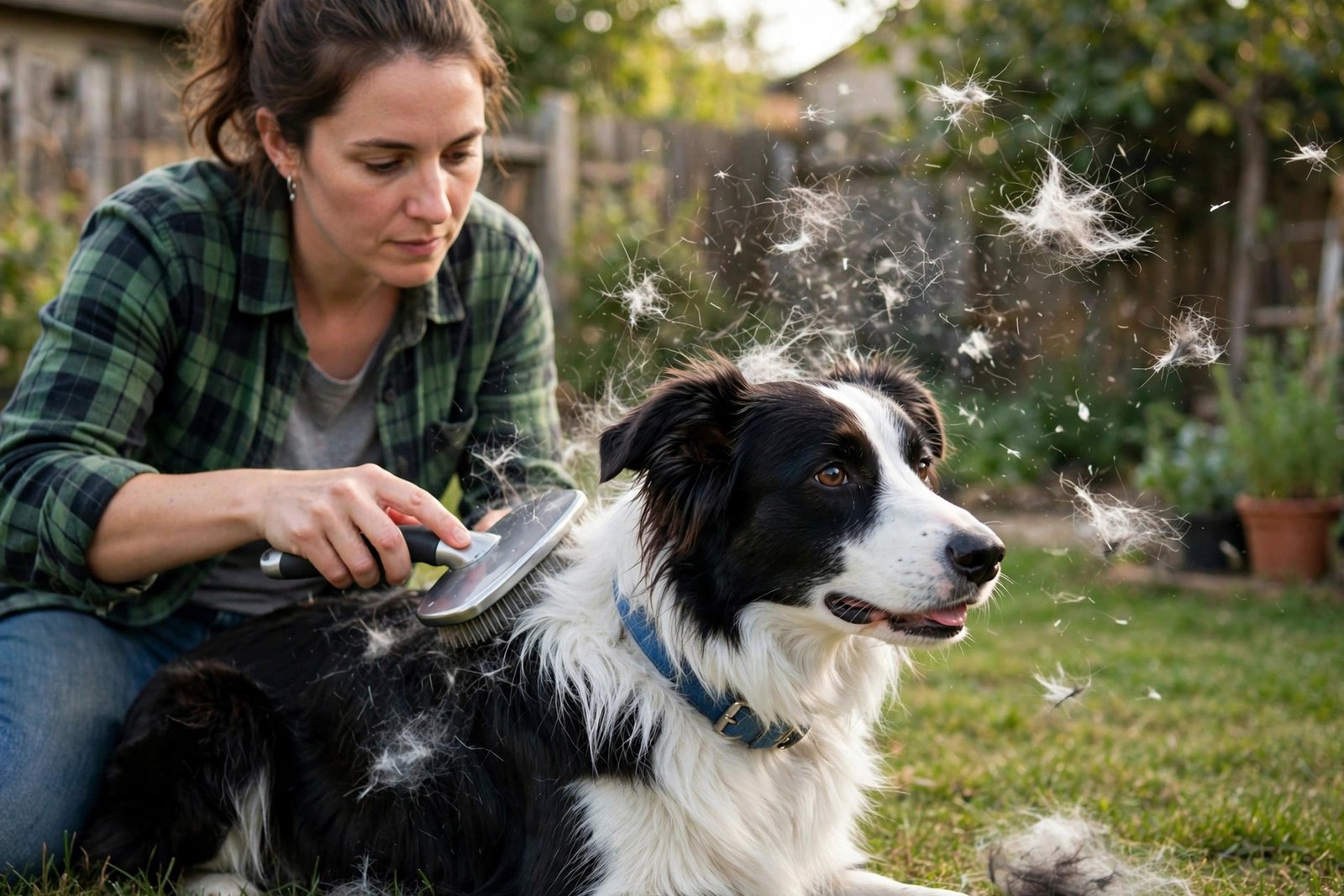
Brushing does three things at once: removes dead hair and debris, distributes the skin’s natural oils along the hair shaft (this is a major source of shine), and lets you spot lumps, ticks, and skin issues early. But the right tool depends entirely on the coat:
Short, smooth coats (Labradors, Boxers, Beagles): a rubber curry brush or grooming mitt a few times a week. Quick, easy, and dogs usually enjoy it.
Double coats (Huskies, Golden Retrievers, German Shepherds): an undercoat rake for the dense undercoat plus a slicker brush for finishing. These coats shed heavily seasonally and need more frequent attention during coat-blowing periods.
Long, silky coats (Yorkies, Maltese, Afghan Hounds): a pin brush and a steel comb, with brushing often needed daily to prevent mats. Work in sections and never brush a dry, tangled coat without a detangling spray — pulling through mats hurts and breaks hair.
Curly and wiry coats (Poodles, Doodles, Terriers): slicker brushes and combs, plus professional grooming on a schedule. Curly coats mat fast and hide skin problems underneath, so the comb should glide through to the skin everywhere.
For a detailed breakdown of tools and technique per coat type, this dog brushing guide by coat type walks through exactly which brush to buy and how to use it. And if shedding is your main battle, the shedding management guide covers deshedding routines that keep the loose fur (and the tumbleweeds) under control.
Bathing Without Stripping the Coat
Here is the mistake behind many dull coats: too much bathing, with the wrong products. Every bath removes some of the skin’s natural oils. Bathe too often or with harsh shampoo, and the coat loses the oils that make it shine — then the owner bathes more to fix the dullness, and the cycle continues.
How often? Far less than most owners think. Many healthy dogs need a full bath only every month or two, or when genuinely dirty or smelly. Dogs with skin conditions may need a vet-directed schedule, but that is the exception.
What shampoo? A gentle, pH-balanced dog shampoo — dog skin is less acidic than human skin, so human shampoo (even baby shampoo) is too harsh for regular use. Oatmeal-based formulas are a good default for normal skin. Medicated shampoos exist for specific conditions but should be used on vet advice, not as a guess.
Technique matters. Lukewarm water, thorough lathering without scrubbing the skin raw, and — the step everyone skips — thorough rinsing. Shampoo residue left in the coat causes flaking and itchiness that owners then blame on the shampoo itself. Rinse until the water runs completely clear, then rinse once more.
Dry properly. Towel-dry, then let the dog air-dry in a warm room or use a dryer on a cool/low setting. Damp coats left in cold drafts are miserable, and moisture trapped against the skin in heavy-coated breeds can cause hot spots.
Exercise, Weight, and Overall Health
It sounds indirect, but general fitness shows in the coat. Good circulation from regular exercise supports skin health. Dogs at a healthy weight tend to have better coats than obese dogs, partly because excess weight is linked to hormonal and skin issues, and partly because overweight dogs groom themselves less effectively.
Stress shows in the coat too. Dogs under chronic stress — from anxiety, boredom, or household upheaval — can develop dull coats and excessive shedding. The fix is rarely a product; it is usually more exercise, more mental stimulation, and addressing whatever is stressing the dog.
Parasites: The Silent Coat Wreckers
Fleas, ticks, and mites damage coats directly and indirectly. Flea saliva triggers allergic reactions in sensitive dogs that lead to scratching, hair loss, and scabby skin — sometimes from just a few bites. Mites (mange) cause patchy hair loss and crusty skin that no amount of brushing will fix.
Year-round parasite prevention, as recommended by your vet for your region, is coat care. It is also worth noting that a dull, thinning coat with itching is one of the classic prompts for a vet visit — skin issues are among the most common reasons dogs see the vet, and most are very treatable once properly diagnosed. Do not try to diagnose parasites from internet photos; skin scrapes and proper testing exist for a reason.
When a Dull Coat Means “Call the Vet”
Gradual dullness that improves with better food and grooming is a care issue. But certain coat changes are medical until proven otherwise:
Sudden, widespread dullness or hair loss — especially with lethargy, weight changes, or increased thirst — can signal thyroid issues, Cushing’s disease, or other hormonal conditions. These are common, diagnosable, and manageable, but only with testing.
Bald patches, especially symmetrical ones, deserve prompt attention rather than a wait-and-see approach.
Greasy, smelly skin with flaking may indicate seborrhea or infection, not a shampoo deficiency.
Color changes in the skin — darkening, thickening — alongside coat changes warrant a professional look.
The rule of thumb: if the coat change came on quickly, is getting worse, or comes with any other symptom, skip the product experiments and book the vet. Coat products treat the surface; the vet finds the cause.

The Shine Routine: Putting It Together
For the owner who wants the simple version, here is the whole program in one place:
Daily: fresh water, appropriate food portions, a quick once-over with hands or brush for long-coated dogs.
Weekly: a proper brushing session with the right tool for the coat type; a paw and skin check during the session.
Monthly: bath only if needed; parasite prevention on schedule; a look at overall weight and condition.
Ongoing: quality diet, regular exercise, vet checkups. That is genuinely it. Shine is not a product — it is the visible result of a dog whose needs are met. Owners who nail the boring basics end up with the glossy dogs, while the owners chasing miracle shampoos usually have the dull ones.
Frequently Asked Questions
What is the fastest way to make my dog’s coat shiny?
There is no instant fix — but the highest-impact changes are switching to a quality complete diet if the current food is poor, starting regular brushing to distribute natural oils, and stopping over-bathing. Most owners see visible improvement within a few weeks of fixing the basics.
Can I use coconut oil on my dog’s coat?
A small amount rubbed into dry spots is generally safe, and many owners use it — but it is not a substitute for proper nutrition and grooming, and too much ingested from licking can cause digestive upset. If the coat problem is widespread rather than a dry patch, look at diet and vet-check the skin before reaching for topical fixes.
Does fish oil really help a dog’s coat?
Omega fatty acids do support skin and coat health, and many quality foods already include them. Supplemental fish oil can help in some cases, but dosing should be vet-guided — too much can cause digestive issues. Start with a good diet before adding supplements.
Why is my dog’s coat dull all of a sudden?
Sudden dullness can have many causes: diet changes, stress, seasonal shedding, parasites, or hormonal conditions like thyroid issues. If the change was abrupt, is worsening, or comes with other symptoms (lethargy, weight change, itching, bald spots), see your vet rather than trying product fixes.
How often should I brush my dog for a healthy coat?
It depends on the coat: short smooth coats do well with a few sessions a week, double coats need more during shedding seasons, and long silky or curly coats often need daily attention to prevent mats. The right tool matters as much as frequency — check the brushing guide linked above for your dog’s coat type.
Will bathing my dog more make the coat shinier?
Usually the opposite — over-bathing strips the natural oils that create shine. Most healthy dogs need a full bath only every month or two. If the coat looks dull, look at diet, brushing, and health before reaching for the shampoo bottle.