


How to Keep Your Pet’s Bedding Fresh and Clean
Here is a question most owners avoid thinking about: when was the last time you washed your pet’s bed? If you had to think about it, it has been too long. Pet bedding collects an impressive inventory — shed hair, dander, drool, outdoor dirt tracked in on paws, the occasional mystery smell — and it does it silently, a little more each day, until one day you catch a whiff and realize the bed has become a biohazard with a cute cover.
The good news: keeping bedding fresh is mostly about routine, not effort. This guide covers how to wash pet bedding properly, how often different types need it, which detergents are safe, and the small habits that keep beds fresher between washes.
Quick Tips
- Wash pet bedding every 1–2 weeks; weekly for heavy shedders or allergy households.
- Use a free-and-clear detergent — no heavy fragrances or fabric softener.
- Shake or vacuum off hair before washing to protect your machine.
- Wash on warm with an extra rinse; dry thoroughly to prevent mildew.
- Removable covers make the whole job dramatically easier — buy beds that have them.
- Replace beds when the cushion goes flat or the smell survives washing.
Why Bedding Gets Dirty Faster Than You Think
A pet bed is where your animal spends a huge portion of its life — dogs sleep 12–14 hours a day, cats up to 16, and much of that happens in one favorite spot. Every one of those hours deposits something: shed hair and dander (dead skin cells, the main driver of pet allergies), skin oils that go rancid over time, saliva from chewing or drooling, and whatever the paws picked up outside — dirt, pollen, lawn chemicals, the works.
Then there is the biology. Warm, slightly damp bedding is an excellent habitat for dust mites, which feed on dander and are a major allergen trigger for both humans and pets. Fleas, if they are around, lay eggs that fall off the pet and hatch in bedding — which is why bedding hygiene is part of every flea plan worth following. My flea prevention basics guide treats regular hot washing of bedding as a frontline defense, not an afterthought.
The smell is the lagging indicator. By the time a bed smells noticeably funky, it has been dirty for a while. The goal is to wash on schedule, not on stink.
How Often to Wash: The Realistic Schedule
Every 1–2 weeks is the baseline for most households. That means the cover (or the whole bed if it has no cover) goes through the wash on a regular rotation, the way sheets do.
Weekly if any of these apply: heavy shedding breed, allergy sufferers in the house (human or animal), the pet sleeps in your bed (their bedding affects your bedding), outdoor cats or dogs that get genuinely dirty, or any pet with skin issues — clean bedding is part of managing irritated skin.
Immediately after: vomiting or diarrhea on the bed, a flea sighting, a wound or surgery recovery (keep the recovery bed scrupulously clean), or any illness. Do not wait for laundry day.
Between washes, a weekly shake-outside and vacuum keeps the hair load down. A lint roller on the cover takes thirty seconds and meaningfully extends the fresh window. These tiny habits are what separate the “always smells fine” beds from the “oh no” beds.
Choosing Bedding That Is Easy to Keep Clean
Half the battle is won at purchase time. If you are shopping for a bed — my dog bed buying guide covers the full selection process — prioritize these cleanability features:
Removable, machine-washable cover. This is the single most important feature. A cover you can zip off and throw in the wash turns a dreaded chore into a normal laundry load. Beds without removable covers have to be washed whole (if they fit in the machine at all) or spot-cleaned forever.
Machine-washable insert. Even with a cover, the inner cushion absorbs odors and oils over time. An insert that survives the washing machine doubles the bed’s hygienic lifespan.
Water-resistant liner. Some beds include a waterproof inner liner that protects the cushion from accidents, drool, and the dampness of a wet dog flopping down. If the bed does not come with one, a waterproof mattress-protector-style liner underneath the cover does the same job.
Dark or patterned fabric. Not a hygiene feature, strictly — but light-colored covers show every hair and stain, which either means constant washing or constant looking-dirty. Mid-tone fabrics hide the in-between days gracefully.
Avoid beds you cannot wash. Giant plush beds with no removable cover that do not fit in a home washing machine are a trap. They look luxurious and become unmaintainable within months. If it cannot go through a wash cycle, do not buy it.

How to Wash Pet Bedding Properly
1. Prep: remove the hair first. Shake the bedding vigorously outside, then vacuum it (upholstery attachment) or run a lint roller over it. Washing a bed caked in hair just redistributes the hair through your machine and onto everything else in the load. This step is the difference between a clean bed and a hairy clean bed.
2. Check the care label. Most quality beds are machine-washable, but check temperature limits and whether the insert can be washed or just the cover. Foam inserts often cannot go in the machine — spot-clean those.
3. Use the right detergent. A free-and-clear detergent — no dyes, no heavy fragrance — is the safe choice. Pets lie with their noses pressed into bedding for hours; strong fragrances irritate sensitive noses and can bother allergic animals. Skip fabric softener entirely: it coats fibers with residue that traps odors and reduces absorbency. A half-cup of white vinegar in the rinse cycle is the old reliable deodorizer — it neutralizes odors without perfume.
4. Wash warm with an extra rinse. Warm water (not hot enough to damage the bed — follow the label) cleans effectively. The extra rinse cycle matters: it ensures no detergent residue remains in the thick padding, where residue is hardest to rinse out and most likely to irritate skin.
5. Dry thoroughly. This is where people go wrong. A thick bed insert that feels “mostly dry” can harbor mildew inside within a day. Tumble dry on low or medium if the label allows, with dryer balls to keep the filling from clumping. Otherwise air-dry completely — in sun if possible (sunlight is a genuine disinfectant and deodorizer) — and do not put the bed back into service until it is dry all the way through. Press your hand deep into the center; if there is any dampness, keep drying.
6. Wash bedding separately. Pet bedding gets its own load. Washing it with your clothes transfers hair everywhere and is just unpleasant. After a pet-bedding load, wipe the washer drum and run a quick empty rinse if your machine collects a lot of hair — or toss in a washing-machine cleaning tablet monthly if you are a frequent pet-laundry household.
Spot Cleaning Between Washes
Not every mess needs a full wash. Keep these on hand for the in-between:
Enzyme cleaner. For organic messes — vomit, urine, drool spots — an enzyme-based pet stain cleaner actually breaks down the proteins rather than masking them. Blot (do not rub) the mess, apply per the label, let it work. This is the same class of product that saves carpets; it works on bed covers too.
Baking soda. For general funk between washes: sprinkle generously over the dry bed, leave for 15–30 minutes, vacuum thoroughly. It absorbs odors without adding fragrance. Simple, cheap, effective.
Lint roller or rubber brush. For hair maintenance. A rubber pet-hair brush (the kind with soft rubber bristles) pulls embedded hair out of fabric shockingly well — better than a lint roller for deep hair, though the roller is faster for surface touch-ups.
Blankets, Crates, and Carriers Too
Bedding is not just the bed. The same schedule applies to:
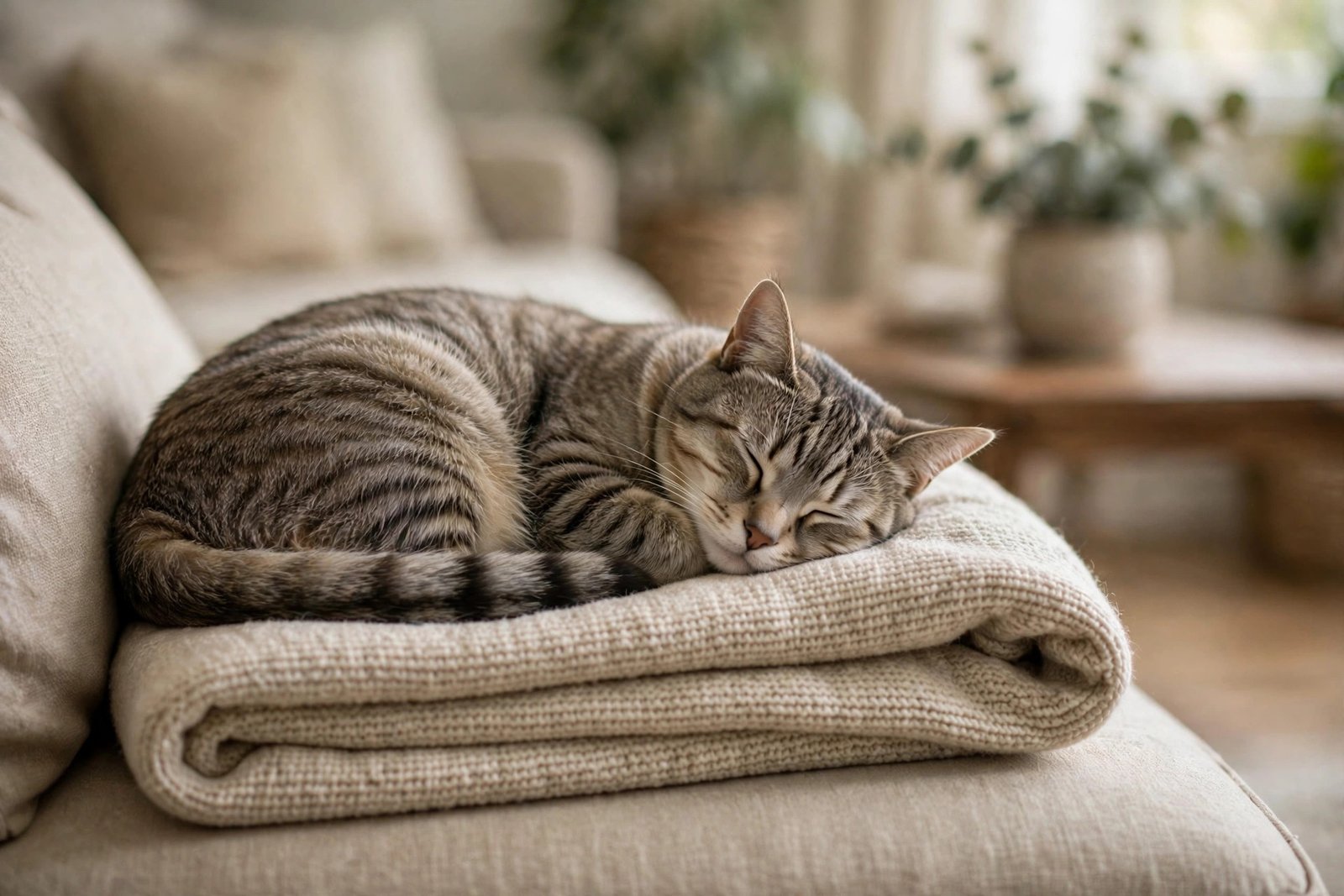
Favorite blankets and throws. The blanket on the sofa arm that the cat has claimed? That is bedding now. Wash it on the same rotation.
Crate pads. Often thinner and quicker to wash — which means there is no excuse. Dogs that spend nights in crates are breathing that pad’s dust for eight hours straight.
Carrier liners. Wash after every trip, or at least monthly. Carriers concentrate stress smells (and sometimes worse) in a small space.
Your own bedding, if pets sleep with you. Then your sheets are pet bedding. Wash weekly — for the humans’ sake as much as the pets’.
When to Replace Instead of Wash
Washing extends a bed’s life, but beds do not last forever. Replace when:
The cushion stays flat. Compressed filling that does not spring back is not supporting joints anymore — particularly important for older or arthritic pets. No amount of washing restores loft.
The smell survives washing. If a proper wash-and-dry cycle does not fix the odor, it has penetrated the insert permanently. Time for a new bed.
The cover is damaged. Torn covers expose filling, which then disintegrates into the wash and the house. A replacement cover (many brands sell them separately) can extend the bed’s life; otherwise replace the bed.
It has been years. Even well-maintained beds accumulate deep grime over time. Two to three years is a reasonable lifespan for a daily-use bed. Think of it as a consumable, like a mattress — just on a shorter cycle.
Frequently Asked Questions
Can I wash a dog bed in my washing machine?
Usually yes — check the care label first. Remove the cover and wash it normally; wash the insert only if the label allows. Use a free-and-clear detergent, warm water, and an extra rinse. For oversized beds that do not fit, a laundromat’s large-capacity machines work well.
What detergent is safe for pet bedding?
A free-and-clear detergent with no dyes or heavy fragrance. Avoid fabric softener and strongly scented products — pets press their noses into bedding for hours, and residues can irritate skin and noses. White vinegar in the rinse cycle is a safe, effective deodorizer.
How do I get the dog smell out of a pet bed?
Pre-treat with baking soda (sprinkle, wait, vacuum), then wash warm with free-and-clear detergent plus white vinegar in the rinse. Dry completely — preferably in sunlight. If the smell survives a proper wash cycle, it has penetrated the insert and the bed needs replacing.
Can I use bleach on pet bedding?
Generally no. Bleach can irritate skin and respiratory tracts, and the residue is a concern for animals that chew or lick bedding. Oxygen-based brighteners are a gentler alternative for whitening, and enzyme cleaners handle organic stains better than bleach anyway.
My cat sleeps on my bed, not its own. What should I do?
Then your bedding is the pet bedding — wash your sheets weekly and consider a washable throw on top of the duvet where the cat actually sleeps. A dedicated washable blanket in the cat’s favorite spot protects the rest of the bedding and is easier to launder frequently.
How do I wash a bed with a foam insert that cannot go in the machine?
Remove the cover and wash that normally. For the foam: vacuum it, spot-clean stains with an enzyme cleaner, sprinkle with baking soda to deodorize, vacuum again, and air it in sunlight. If the foam itself smells after all that, it is time for a replacement insert or a new bed.