


Spaying or Neutering Your Dog: What New Owners Should Know
The first time my vet said the words “we should talk about scheduling the spay,” I nodded like I understood — and then went home and fell down a three-hour internet rabbit hole that left me more confused than when I started. One site said six months, another said two years. One forum swore it would calm my dog down; the next swore it changed nothing. Everybody sounded certain, and nobody agreed with anybody.
If you are a new owner trying to figure out spaying or neutering your dog, here is the calm, plain-English version I wish someone had handed me. This is not medical advice and it is not a substitute for your vet — timing and details genuinely vary by breed, size, and individual dog. What this is: a clear picture of what the surgery involves, what recovery looks like, what it costs, and which questions to ask your vet so you can make the decision with confidence instead of anxiety.
Published: May 24, 2026 | Last updated: May 24, 2026
Quick Tips
- Spaying (females) and neutering (males) are routine surgeries your vet performs regularly.
- There is no single “correct” age — timing depends on breed, size, and your vet’s guidance.
- Most dogs go home the same day and are back to normal within 10–14 days.
- The hardest part of recovery is keeping your dog calm — plan for confinement and mental games.
- Ask your vet for a written estimate beforehand so the cost holds no surprises.
- Personality stays the same; only hormone-driven behaviors tend to change.
What Spaying and Neutering Actually Mean
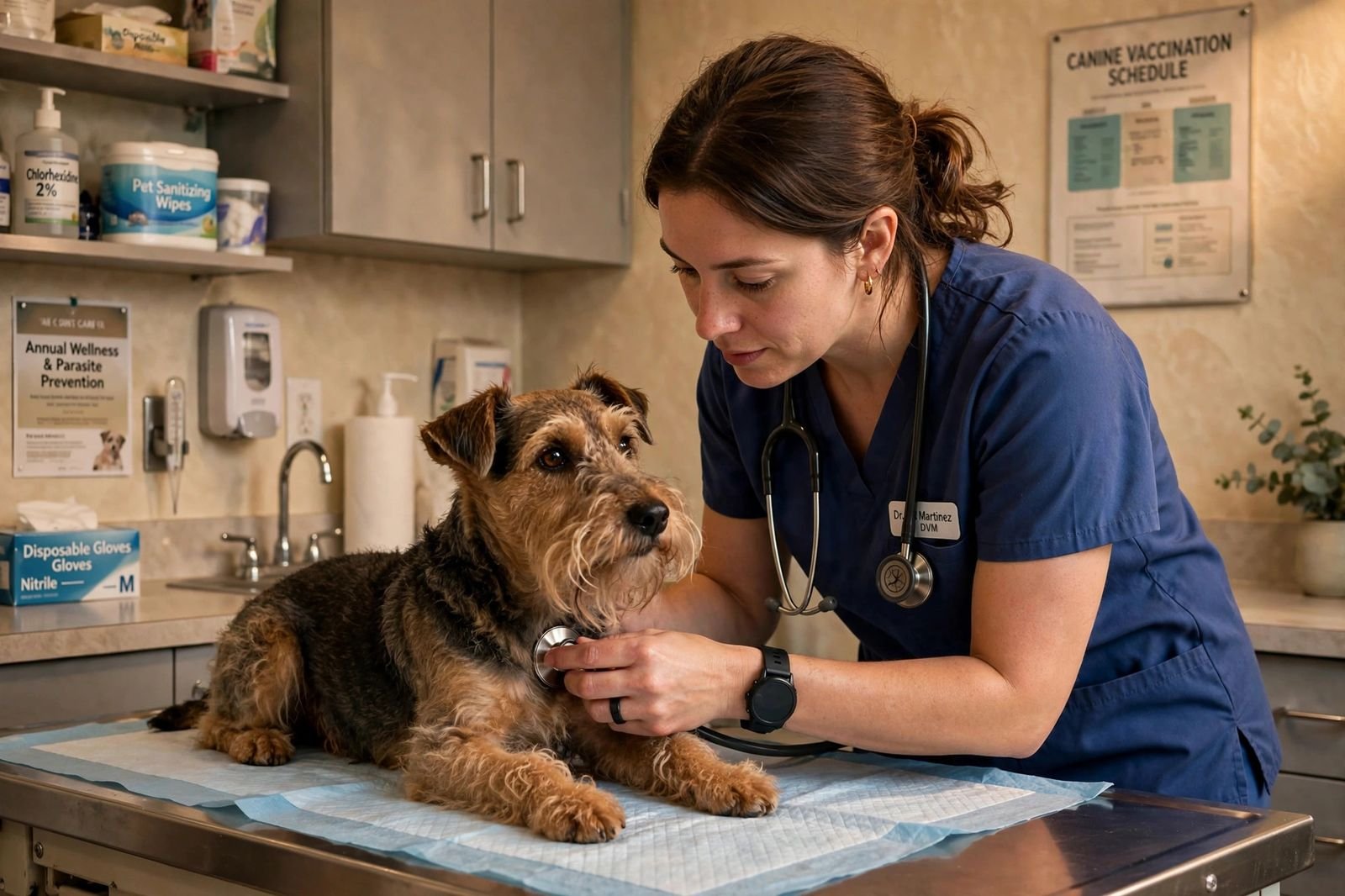
Let us start with the vocabulary, because people mix these up constantly. Spaying refers to the surgery for female dogs: the vet removes the ovaries (and usually the uterus) under general anesthesia. Neutering refers to the surgery for male dogs: the vet removes the testicles, also under general anesthesia. Both are done through a small incision, both are considered routine, and vets perform them every single week — often several times a day.
The word “routine” deserves a pause. It does not mean trivial — it is still surgery with anesthesia, and that always carries some risk. What it means is that this is one of the most practiced, standardized procedures in veterinary medicine. Your vet has done this hundreds or thousands of times. When I finally understood that, the whole thing felt a lot less scary.
You will also hear the umbrella term “fixing” or “desexing” (common in the UK and Australia). Same thing. And if you ever hear someone say “spaying” about a male dog, they have it backwards — but you will know better now.
Why Owners Choose to Spay or Neuter
People arrive at this decision for a mix of practical, health, and lifestyle reasons. Here is the honest landscape, without the scare tactics you will find on some corners of the internet.
Practical and lifestyle reasons
For females, spaying means no heat cycles — no twice-yearly bleeding, no mood swings, no neighborhood male dogs camping on your lawn. For males, neutering typically reduces roaming, urine marking indoors, and the kind of single-minded obsession with every female dog in the park. It does not erase these behaviors entirely, especially if they are already habits, but it usually takes the edge off the hormone-fueled intensity behind them.
There is also the bigger picture. Unplanned litters are one of the main reasons shelters stay full. If your dog will ever be around intact dogs of the opposite sex — at the park, at a sitter’s, through an open gate — spaying or neutering removes the pregnancy question entirely. Many boarding facilities, daycares, and dog parks also require it after a certain age, so it keeps those doors open.
Health considerations
Vets generally discuss certain health trade-offs with owners — for example, spaying eliminates the risk of uterine infection, while neutering eliminates testicular cancer risk — but research has also raised questions about very early surgery in some large breeds. That is exactly why timing has become a “talk to your vet” topic rather than a one-size rule. Your dog’s breed, size, sex, and health history all feed into it. Write your questions down, bring them to the appointment, and decide together. If you have not been yet, my first vet visit guide will help you walk in prepared.
When Should It Happen? (The Honest Answer)
You were probably hoping for a number. The traditional guidance was “around six months,” and many vets still use that as a starting point — especially for small breeds. For large and giant breeds, many vets now recommend waiting until growth is further along, which can be well past a year. For females, some vets prefer before the first heat and others prefer after one.
Notice how every sentence there ended with a qualifier? That is the point. The research is still evolving, breeds differ enormously, and anyone online who gives you a single confident age for all dogs is selling certainty they do not have. Your vet — who can see your dog’s breed, size, and development — is the right person to set the date. If you want a second opinion, get one from another vet, not a forum.
What Surgery Day Looks Like
Knowing the sequence takes most of the fear out of it. Here is the typical shape of the day, though every clinic has its own rhythm.
Drop-off in the morning. You will usually bring your dog in early, often with no breakfast that morning — your vet will give exact fasting instructions, so follow them precisely. The staff will go over the plan, have you sign a consent form, and take your dog back.
The procedure itself. Your dog is placed under general anesthesia and monitored throughout. The surgery typically takes 30 minutes to an hour depending on size and sex — spays take a bit longer than neuters. Most clinics call you once your dog is awake.
Pick-up, usually the same afternoon. Your dog will be groggy and possibly a little whiny — that is the anesthesia wearing off, not necessarily pain. You will go home with discharge instructions, prescribed pain medication, and an e-collar (the cone) or recovery suit. Ask the staff to show you how the cone fits before you leave; a loose cone is just a decorative necklace your dog will defeat in minutes.
From your perspective, the day is mostly waiting and then a sleepy dog. The dramatic version exists only in your head beforehand — I know, because I lived it, and the actual day was completely boring. That is exactly what you want.
Recovery: The Real Challenge Is Keeping Them Calm
Here is the part nobody warns you about adequately. The surgery is the easy part. The hard part is the 10–14 days after, when your dog feels increasingly fine and wants to resume full operations — running, jumping, wrestling — while the incision still needs to heal. Most post-surgery complications come not from the surgery itself but from too much activity too soon.
Setting up the recovery zone
Before surgery day, set up a small, boring recovery area: a crate or a single room with the dog’s bed, water, and nothing to jump on. This is where the dog lives for the next two weeks, with brief leashed potty breaks. If you do not have an appropriately sized crate yet, my crate size guide will get you sorted.
The cone question
Your dog needs to leave the incision alone. The classic plastic cone works but is miserable; inflatable donut collars and recovery suits are often better tolerated. Whatever you use, keep it on whenever you cannot directly supervise — including overnight. I learned this at 3 a.m. to the sound of suspicious licking.
What to watch for
Mild swelling and a little redness in the first couple of days can be normal. What is not: the incision opening up, heavy bleeding, foul-smelling discharge, extreme lethargy beyond the first day, or refusal to eat for more than 24 hours. If anything looks wrong, call your vet — do not wait and hope. Knowing when to call the vet versus monitoring at home is a skill worth building early.
Surviving the boredom
A confined, healing dog is a bored dog. Stock up before surgery day: stuffed frozen Kongs, lick mats, snuffle mats, gentle puzzle toys. Short training sessions — nose touches, “watch me,” tricks that do not involve jumping — burn mental energy without stressing the incision. Five minutes of brain work tires a dog out more than you would expect.
What Changes Afterward (and What Does Not)
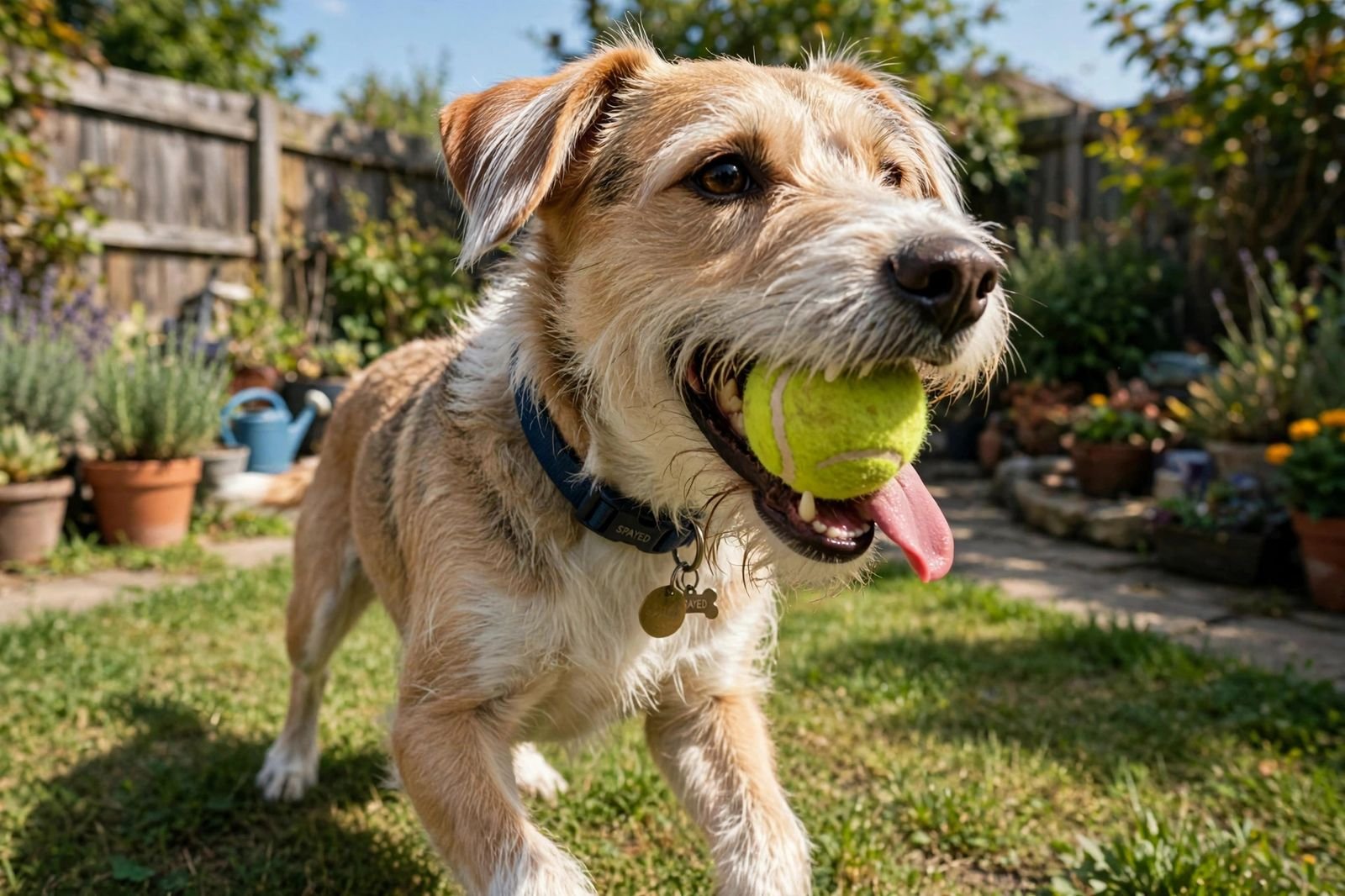
Let us clear up the biggest myth first: spaying or neutering does not change your dog’s personality. Your goofy, affectionate dog will still be goofy and affectionate. What tends to change are specifically hormone-driven behaviors — roaming, mounting, marking. Temperament is a different department entirely.
The other change people notice is appetite. Many dogs get a bit hungrier after surgery, so weight can creep up if portions stay the same. Watch your dog’s body condition over the following months and adjust food slightly if the waistline starts disappearing.
Training-wise, nothing about the surgery replaces training. A neutered dog that was never taught manners is still a dog that was never taught manners, just with fewer hormones. If behavior was part of your motivation, keep working the training plan alongside.
Frequently Asked Questions
Will spaying or neutering calm my dog down?
A little, sometimes — specifically the frantic, hormone-driven behaviors like roaming and obsessive interest in other dogs. But general hyperactivity and energy level are temperament and training matters. A high-energy young dog will still be a high-energy young dog. Training and exercise do the calming; surgery just removes one source of distraction.
Is it safe? What are the risks?
These are among the most commonly performed procedures in veterinary medicine, and serious complications are uncommon. Still, it is surgery under general anesthesia, which always carries some risk. Ask your vet about the specific risks for your dog’s breed, size, and health, and how they monitor during anesthesia. An open conversation beats internet statistics.
Will my dog gain weight after being spayed or neutered?
Many dogs get slightly hungrier with slightly lower energy needs after surgery, so weight gain is common if nothing changes. It is not automatic. Watch body condition, adjust portions if needed, and keep up regular exercise. Your vet can help you fine-tune at checkups.
Can I still do it if my dog is older?
Usually yes — there is no strict upper age limit, and vets operate on adult and senior dogs regularly. The pre-surgery health screening just becomes more thorough with age. If you adopted an adult dog that is still intact, book the conversation with your vet and go from there.
What if I want to wait until my dog is fully grown?
That is legitimate, especially for large breeds, and many vets recommend it. The trade-off is management in the meantime: preventing unplanned litters and keeping up training through adolescence. Talk it through with your vet so the waiting period is intentional, not just drift.
Are low-cost spay/neuter clinics safe?
Reputable low-cost clinics do these surgeries at high volume, so the vets are extremely experienced at exactly this procedure. Look for established programs run by shelters or humane societies with good reviews, and ask the same questions about monitoring and pain management you would ask a private clinic.