


Every pet owner lives with the same low-grade anxiety: is this normal, or is this a vet visit? I’ve been on both sides of that question more times than I can count. I’ve called the vet in a panic over what turned out to be a harmless hairball situation, and — the one I’m less proud of — I’ve waited too long on something that turned out to be serious because I talked myself into “let’s see how he is in the morning.”
Here’s what years of those moments taught me: the goal isn’t to become your pet’s doctor. The goal is to become a good observer who knows when to pick up the phone. Your vet handles the diagnosis; your job is noticing. And the single rule that has never steered me wrong is this — if something feels off and you can’t explain it away, call. Vets would rather talk you down from a false alarm than meet your pet a day too late.
Published: May 16, 2026 | Last updated: May 16, 2026
Quick Tips
- Trust your gut: you know your pet’s normal better than anyone.
- Difficulty breathing, collapse, seizures, and uncontrolled bleeding are emergencies — don’t wait.
- Repeated vomiting, bloody stool, or straining to urinate all warrant a call.
- Not eating for more than a day (sooner for cats and small pets) is a red flag.
- Sudden behavior changes — hiding, aggression, restlessness — are information, not attitude.
- When in doubt, call. A phone triage costs nothing and buys peace of mind.
- Save your vet’s number and the after-hours emergency clinic number in your phone now.
The Emergencies: Don’t Wait, Don’t Google, Go
Let’s start with the unambiguous ones, because these are the situations where hesitation is the real danger. If your pet is having trouble breathing — panting that won’t stop, gasping, blue or pale gums, noisy or labored breaths — that’s an emergency. If your pet collapses, has a seizure lasting more than a couple of minutes or has multiple seizures in a row, or is bleeding that you can’t stop with pressure, that’s an emergency. If your dog’s belly looks suddenly bloated and hard and he’s trying to vomit without producing anything, that’s an emergency — it can indicate a twisted stomach, which is as serious as it sounds.
Suspected poisoning is an emergency too: your pet ate medication, chocolate in quantity, xylitol products, rat poison, antifreeze, or something you can’t identify but suspect is toxic. Don’t try to make your pet vomit on your own — some substances cause more damage coming back up, and the wrong home remedy wastes the time your vet needs. Call your vet or an animal poison control line immediately and follow their instructions exactly. Having the packaging or a photo of what was eaten helps enormously, so grab it on your way out the door.
Severe injury — hit by a car, a bad fall, a deep wound — is an emergency even if your pet “seems okay.” Adrenaline masks pain and internal injuries don’t show on the surface. When in doubt, the emergency clinic exists for exactly this.
What Counts as “Trouble Breathing”?
Since this one causes the most second-guessing: normal panting after exercise or in heat resolves with rest and cooling. Concerning breathing doesn’t resolve — it escalates or persists at rest. Watch for open-mouth breathing in cats (cats almost never pant like dogs do, so it’s a bigger deal in them), exaggerated belly movement with each breath, wheezing or crackling sounds, or gums that look pale, gray, or bluish instead of pink. If you’re watching your pet breathe and feeling uneasy, that’s already your answer.
The “Call Today” Signs
Below the emergency tier is a bigger category: things that need a vet’s attention the same day or within 24 hours, but don’t require racing to the ER at midnight. This is where most of real pet ownership lives.
Vomiting and Diarrhea
A single episode of vomiting in an otherwise bright, hungry, energetic dog is usually not a crisis — dogs vomit the way toddlers fall over, with enthusiasm and frequency. What changes the math: vomiting more than once or twice, vomiting that continues over hours, blood in the vomit, or vomiting paired with lethargy, pain, or refusal to eat. Diarrhea follows the same logic — a single soft stool after a dietary indiscretion is one thing; persistent diarrhea, bloody stool, or diarrhea in a very young, very old, or very small pet is another. Puppies and kittens dehydrate fast, so be quicker to call for them.
Repeated unproductive retching in a large, deep-chested dog deserves special mention — combined with a swollen belly, it’s the emergency I described above. Don’t wait on that one.
Not Eating
Appetite is one of the most honest health indicators your pet has. A dog who skips one meal but is otherwise himself is usually fine — dogs do that. A dog who won’t eat for a full day, or a cat who won’t eat for even half a day, is telling you something. Cats in particular can develop serious liver problems from not eating, so the threshold for cats is lower: if your cat hasn’t eaten in 12 to 24 hours, call.
Also watch for the subtler version: eating but with difficulty, dropping food, chewing on one side, drooling, or sudden disinterest in treats they normally love. Dental pain, nausea, and mouth injuries all show up as appetite changes before they show up as anything else.
Trouble Urinating or Defecating
Straining to urinate, crying while urinating, bloody urine, or suddenly urinating much more or much less — all worth a call. For male cats especially, straining to urinate with little or no output is an emergency: urinary blockages can become life-threatening quickly. This is one of those things where sex and species genuinely change the urgency, which is exactly why calling and describing what you see beats trying to triage it yourself.
On the other end, constipation lasting more than a day or two, or obvious pain while defecating, also warrants a call. And any sudden loss of housetraining in an adult pet — new accidents, going outside the litter box — is information, not misbehavior. It’s worth a vet conversation before it becomes a training battle, because medical causes come first. If you’re in the middle of house training a puppy, regression can be developmental; in an adult dog, it’s a signal.
Lethargy That Doesn’t Lift
Every pet has lazy days. The difference between a lazy day and a concerning one is responsiveness: does your pet perk up for the good stuff — a walk, a favorite toy, dinner? A dog who skips the walk is a dog worth watching closely. Lethargy paired with any other symptom (not eating, vomiting, hiding, panting) moves it up the urgency ladder fast. And sudden, profound lethargy — a pet who was fine in the morning and is flat by afternoon — is always worth a call.
The Subtle Signs New Owners Miss
Emergencies are obvious. Same-day problems are fairly obvious. The subtle stuff is where experience matters, and it’s what I most want new owners to learn — because catching things early is genuinely one of the highest-value skills in pet ownership.
Behavior Changes Are Symptoms
A normally social cat who starts hiding. A friendly dog who suddenly growls when touched in a particular spot. A pet who becomes restless at night, paces, or can’t settle. These aren’t personality changes or attitude problems — they’re communication. Pain, nausea, anxiety, and early illness all show up as behavior first, often days before anything physical is visible.
The reverse is true too: a pet who suddenly becomes clingy when they’re normally independent is also telling you something. My rule: a behavior change that lasts more than a day without an obvious explanation (a move, a new pet, fireworks) gets a vet call.
Skin, Coat, Eyes, and Ears
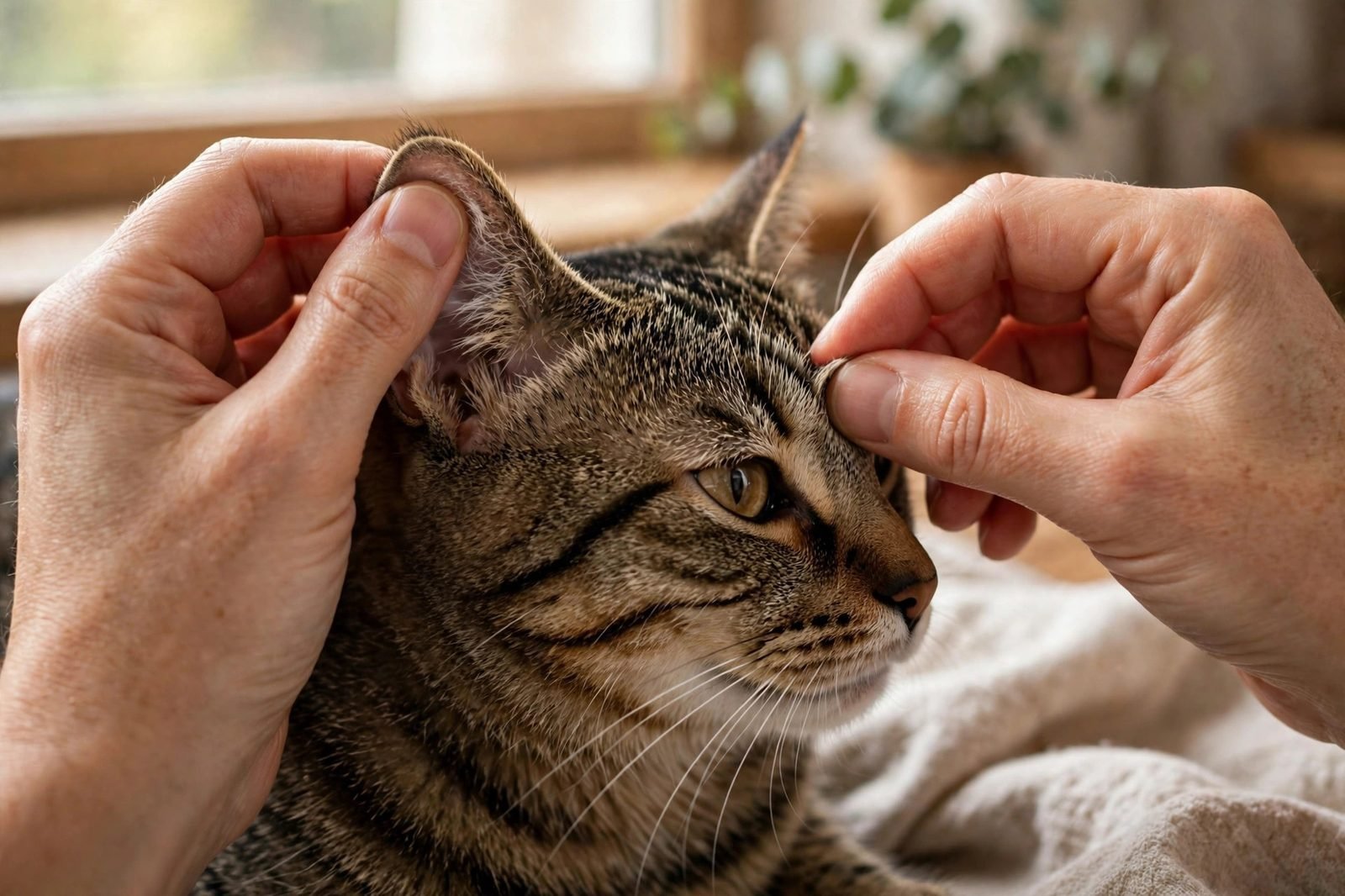
A dull coat, new flakiness, bald patches, or scratching that’s escalated beyond the occasional itch — skin is often where internal issues show up first. Persistent head shaking or ear scratching, especially with odor or discharge, usually means the ears need attention. Red, goopy, or squinting eyes are worth a call rather than a wait-and-see. And any new lump, fast-growing lump, or lump that changes should be checked — most are harmless, but early checks are quick and cheap, late ones aren’t.
How to Make the Call Count
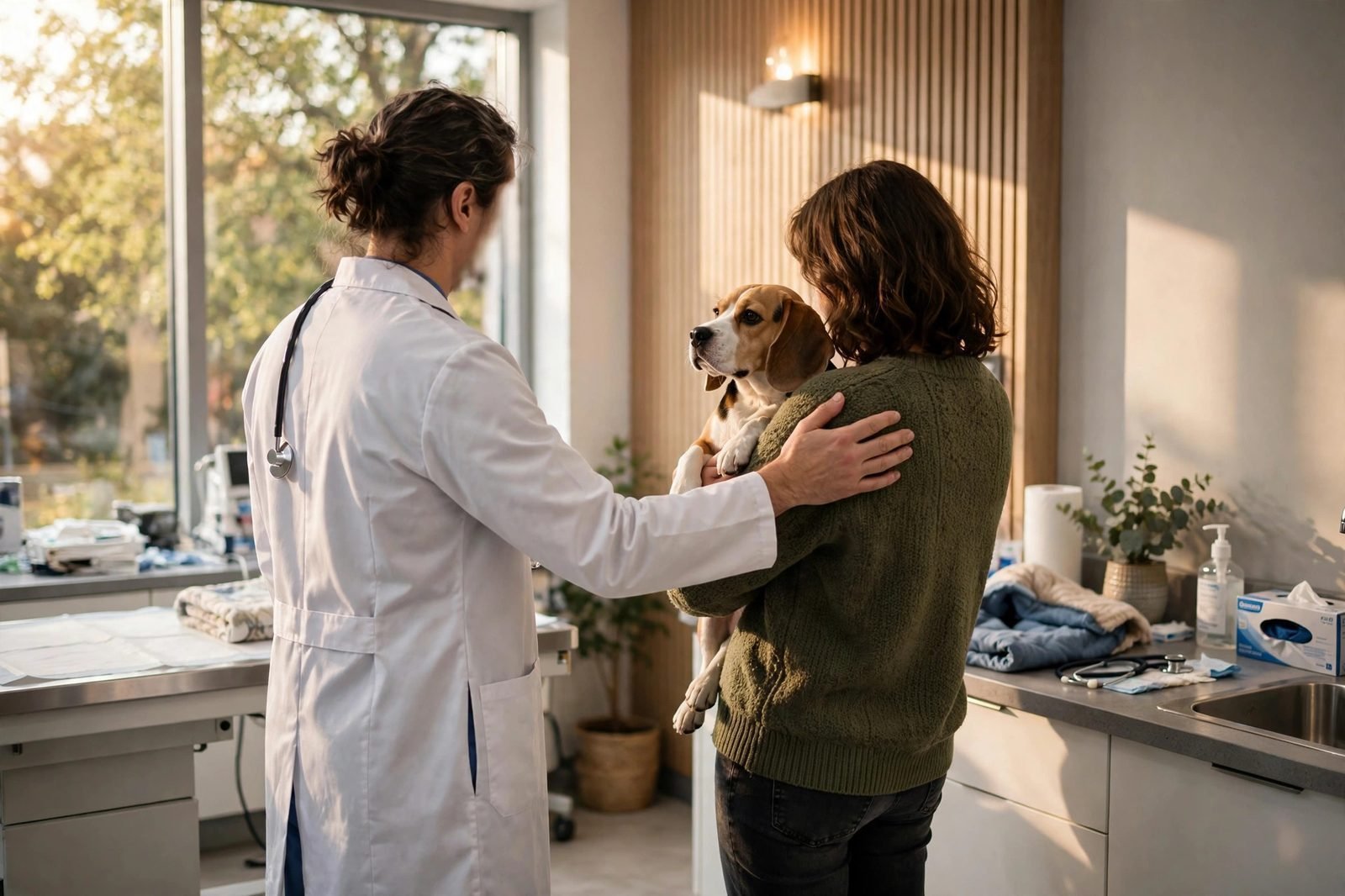
When you do call, the vet’s staff will triage you — that’s their job, and they’re good at it. Your job is to give them clear information: what you’re seeing, when it started, and whether it’s getting better, worse, or staying the same. “He vomited three times since breakfast and won’t eat” is ten times more useful than “he’s sick.”
Mention your pet’s age, any medications, recent diet changes, and anything they might have gotten into. A clear photo of any discharge, swelling, or wound helps. And describe behavior concretely: “she’s been hiding under the bed since yesterday and skipped dinner” beats “she’s acting weird.”
Preparing Before You Ever Need To
The worst time to look up your emergency vet’s address is during an emergency. Save your regular vet’s number in your phone, find the nearest after-hours emergency clinic and save that too, and note their hours. Keep a simple pet health log — vaccination dates, current food, medications — in a notes app, so when you call the vet flustered at 11 p.m., the basics are written down somewhere. And if you haven’t yet had that first vet visit, ask the clinic directly: “If something happens after hours, where do I go?”
Frequently Asked Questions
How do I know if it’s an emergency or can wait until morning?
The honest answer: when you’re unsure, call and ask. Vet clinics triage by phone precisely so you don’t have to make that judgment alone. As a rough guide — trouble breathing, collapse, seizures, uncontrolled bleeding, suspected poisoning, bloating with retching, and inability to urinate (especially male cats) are emergencies. Everything else, describe it and let the staff decide.
My pet vomited once but seems fine. Should I call?
Probably not yet — one episode in a bright, hungry, playful pet is usually not concerning. Withhold food for a few hours (water is fine), then offer a small bland meal and watch. Call if vomiting repeats, if there’s blood, or if your pet becomes lethargic or refuses food.
How long can a cat go without eating before I worry?
Less time than a dog. If a cat hasn’t eaten for 12 to 24 hours, call your vet — cats can develop a serious liver condition from not eating, so the threshold is lower than most new owners expect. Kittens, elderly cats, and cats with known health issues warrant an even faster call.
Is it normal for my pet to be sleepy after vaccinations?
Mild sleepiness for a day after shots is common and normal, as is slight soreness where the injection was given. What’s not normal: facial swelling, repeated vomiting, difficulty breathing, or profound lethargy — those warrant an immediate call.
Will the vet judge me for calling about something minor?
No. Genuinely, no. Vets and their staff field “is this normal?” calls all day, and every one of them would rather reassure you about a false alarm than see a pet who came in too late. Being the owner who calls is a compliment to your attentiveness, not a mark against it.