
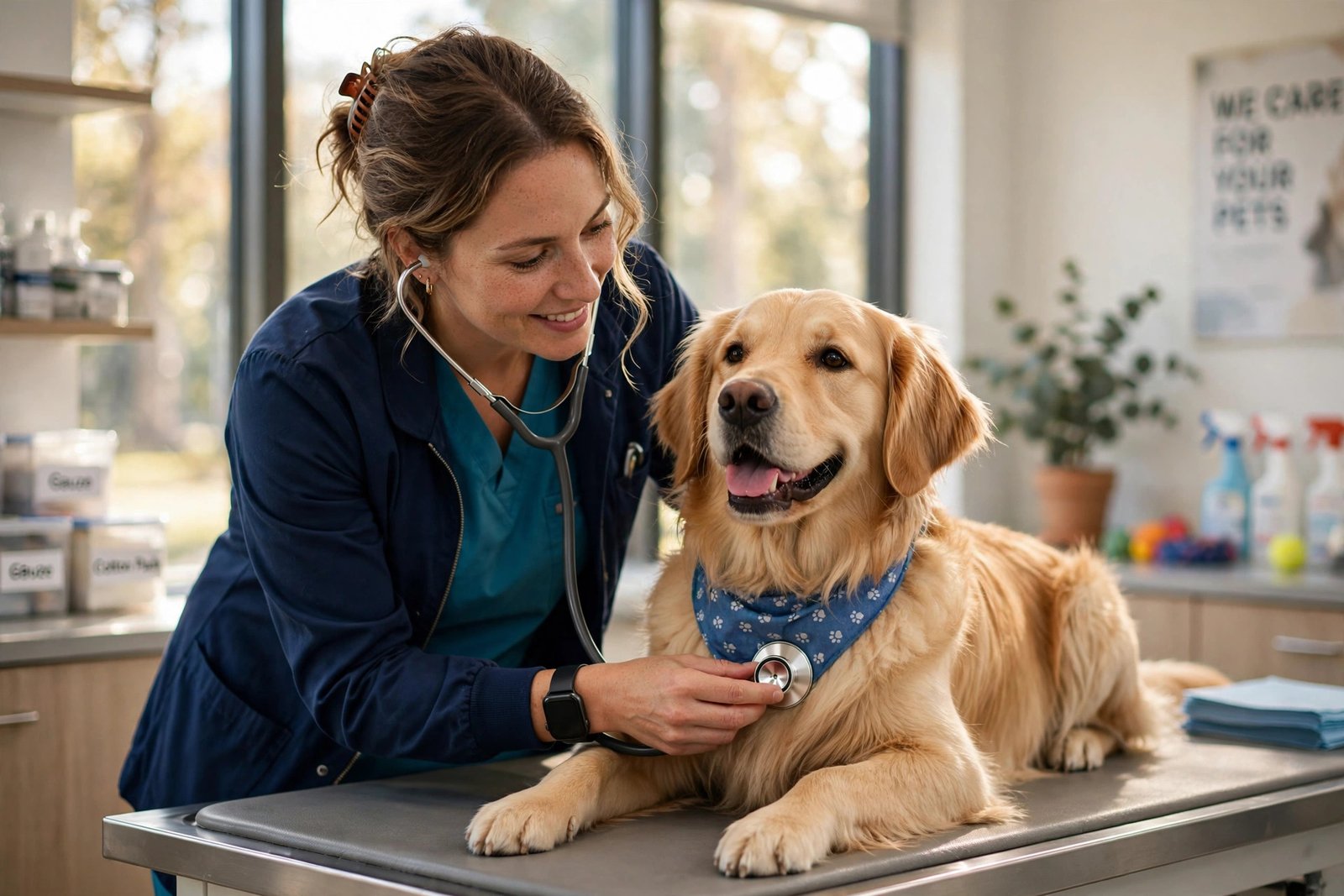

Why Regular Vet Checkups Matter (Even for Healthy Pets)
If your pet is eating well, playing normally, and seems perfectly happy, dragging them to the vet can feel like an unnecessary chore. Many owners figure that a trip to the clinic is only needed when something is visibly wrong — a limp, a bout of vomiting, a strange lump. It is an understandable instinct, especially since vet visits cost money and most pets are not exactly thrilled about them. But regular vet checkups are one of the most valuable investments you can make in your pet’s long-term health, and skipping them when your pet “seems fine” is one of the most common mistakes new pet owners make.
Quick Tips
- Healthy adult dogs and cats generally benefit from a wellness exam once a year; many vets suggest twice a year for seniors.
- Pets hide pain and illness remarkably well, so a normal-looking pet can still have a developing health issue.
- Wellness visits are about prevention — vaccinations, parasite screening, weight checks, and early detection.
- Keep a simple note of changes in appetite, thirst, energy, or litter box habits to discuss at the visit.
- Ask your vet about a dental check, since dental disease is one of the most common issues found at routine exams.
- Bring your pet’s vaccination history and any questions you have — no question is too small.
The Problem: Pets Are Experts at Hiding Illness
In the wild, showing weakness makes an animal vulnerable. Dogs and cats still carry that instinct, which means they are often remarkably good at masking pain or discomfort until a problem is quite advanced. A cat with early dental pain may simply chew on one side of the mouth, or eat a little more slowly — changes so subtle that most owners would never connect them to a health issue. A dog developing early joint stiffness might just seem a touch less enthusiastic about stairs, which is easy to chalk up to a lazy day.
This is the core reason regular vet checkups matter so much. A trained veterinarian examines dozens of animals every week and knows what subtle signs to look for: slightly enlarged lymph nodes, mild changes in heart rhythm, the first hints of gum disease, a coat that has lost a bit of its shine. These are things most owners would never notice at home, no matter how attentive they are. Catching issues early often means simpler, less stressful, and less expensive options down the road — and that alone makes the annual visit worthwhile.
What Actually Happens at a Wellness Exam
Knowing what to expect can take a lot of the anxiety out of the visit — for you and your pet. A standard wellness checkup is usually straightforward and takes about 15 to 30 minutes. Here is what it typically includes:
A full physical examination. The vet will check your pet from nose to tail: eyes, ears, mouth and teeth, skin and coat, lymph nodes, heart and lungs (listening with a stethoscope), abdomen (feeling for anything unusual), joints and muscles, and overall body condition. They will also weigh your pet and compare it to previous visits, since gradual weight change is one of the most useful health indicators.
Vaccination review. Your vet will look at which vaccinations are due and discuss which ones your pet actually needs based on their lifestyle. An indoor-only cat, for example, may need a different schedule than a dog who hikes, swims, and visits dog parks regularly. This is a good time to ask questions about any vaccine you are unsure about.
Parasite screening. Many clinics recommend an annual fecal test to check for intestinal parasites, plus a discussion about flea, tick, and heartworm prevention. Even indoor pets can pick up parasites — fleas hitch rides on clothing, and mosquitoes (which spread heartworm) come through open windows.
Dental assessment. Dental disease is extremely common in both dogs and cats, and it often starts long before you would notice bad breath. The vet will take a look at your pet’s teeth and gums and let you know whether a professional dental cleaning might be worth considering now or in the future.
A conversation. This might be the most underrated part of the visit. Your vet wants to hear about your pet’s daily life — appetite, energy, behavior, litter box or bathroom habits. Small changes you mention in passing can be meaningful clues. If your pet seems nervous about the visit itself, mention that too; many clinics have low-stress handling techniques and may suggest ways to make future visits easier. For first-timers, reading a guide on how to prepare for the first vet visit can make the whole experience smoother.
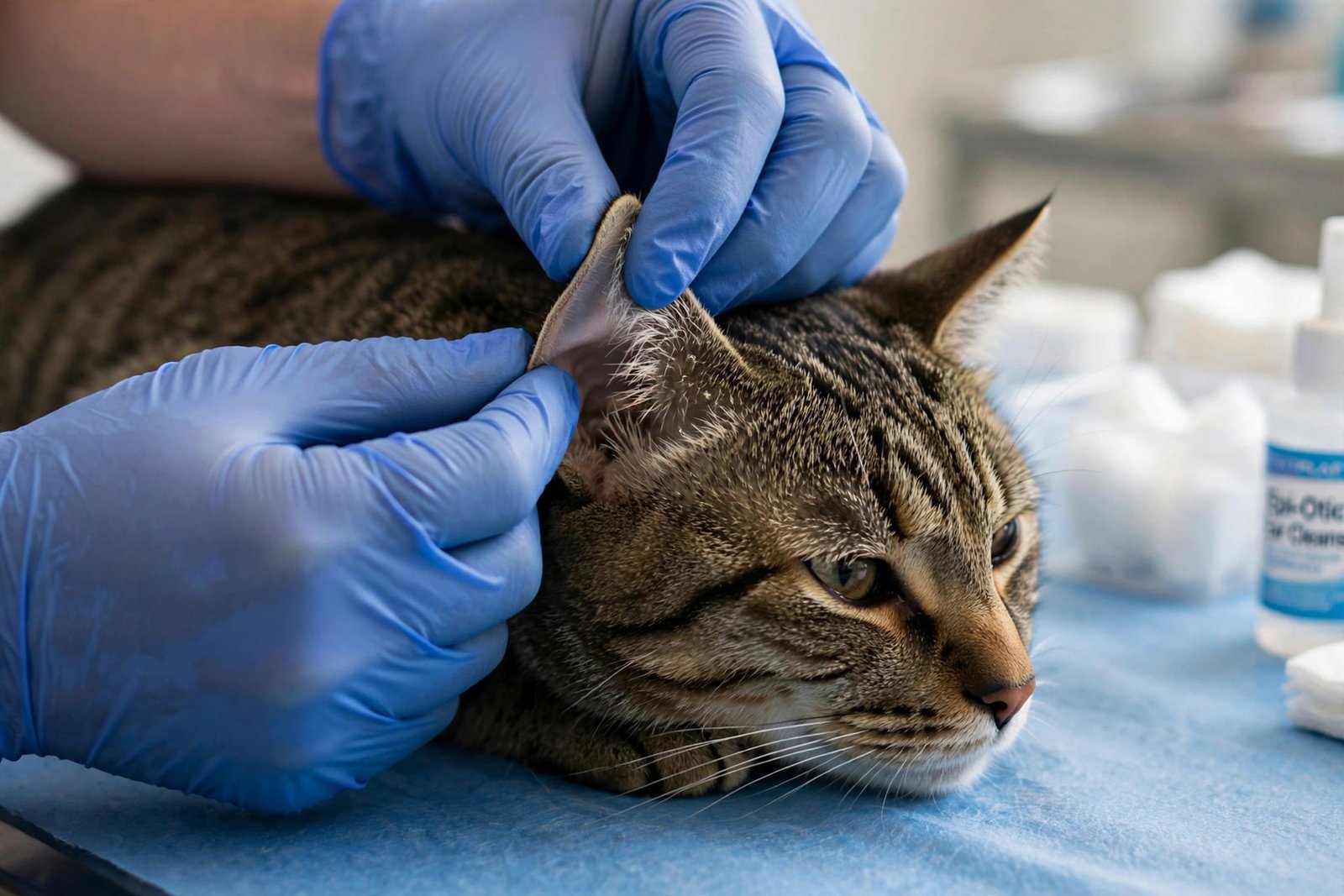
Prevention Is Cheaper Than Treatment
It is tempting to view the annual checkup as an optional expense, but preventive care is almost always more affordable than dealing with an advanced problem. Consider dental disease: a routine cleaning caught early is a scheduled, manageable procedure. The same disease left for years can lead to extractions, pain, difficulty eating, and a much larger bill. The same logic applies across the board — early-stage issues are generally simpler to manage than late-stage ones.
There is also the vaccination angle. Keeping vaccines current protects not just your pet but other animals they meet, and in many places, rabies vaccination is legally required. A wellness visit keeps all of this on track without you having to remember every date yourself — most clinics send reminders, and the annual visit becomes the anchor for the whole preventive care calendar.
Parasite prevention works the same way. Year-round flea, tick, and heartworm prevention is inexpensive compared to treating a full-blown infestation or heartworm disease. Your vet can recommend products suited to your area and your pet’s lifestyle, and the annual visit is the natural moment to review whether the current plan is still the right one.
How Often Should Pets Go?
There is no single schedule that fits every animal, which is why the real answer is “ask your vet.” That said, some general patterns hold for most pets:
Puppies and kittens need a series of visits in their first months for vaccinations, deworming, and growth checks — your vet will set the schedule, often every 3 to 4 weeks until about 16 weeks of age.
Healthy adult dogs and cats (roughly 1 to 7 years old, depending on breed and size) generally do well with an annual wellness exam. This is the standard recommendation you will hear most often.
Senior pets often benefit from twice-yearly visits. Aging happens faster in pets than in people — one year for a senior dog or cat can be the equivalent of several human years — so a lot can change between annual visits. Many vets also suggest baseline bloodwork for seniors, which gives a reference point to compare against later. If your cat is entering those later years, ask your vet whether a twice-yearly schedule makes sense for them.
Of course, any worrying symptom — sudden appetite loss, repeated vomiting, lethargy, difficulty breathing, limping that does not resolve — warrants a call sooner, not waiting for the next scheduled visit. Our article on signs it’s time to call the vet walks through the red flags that should prompt a same-day call.
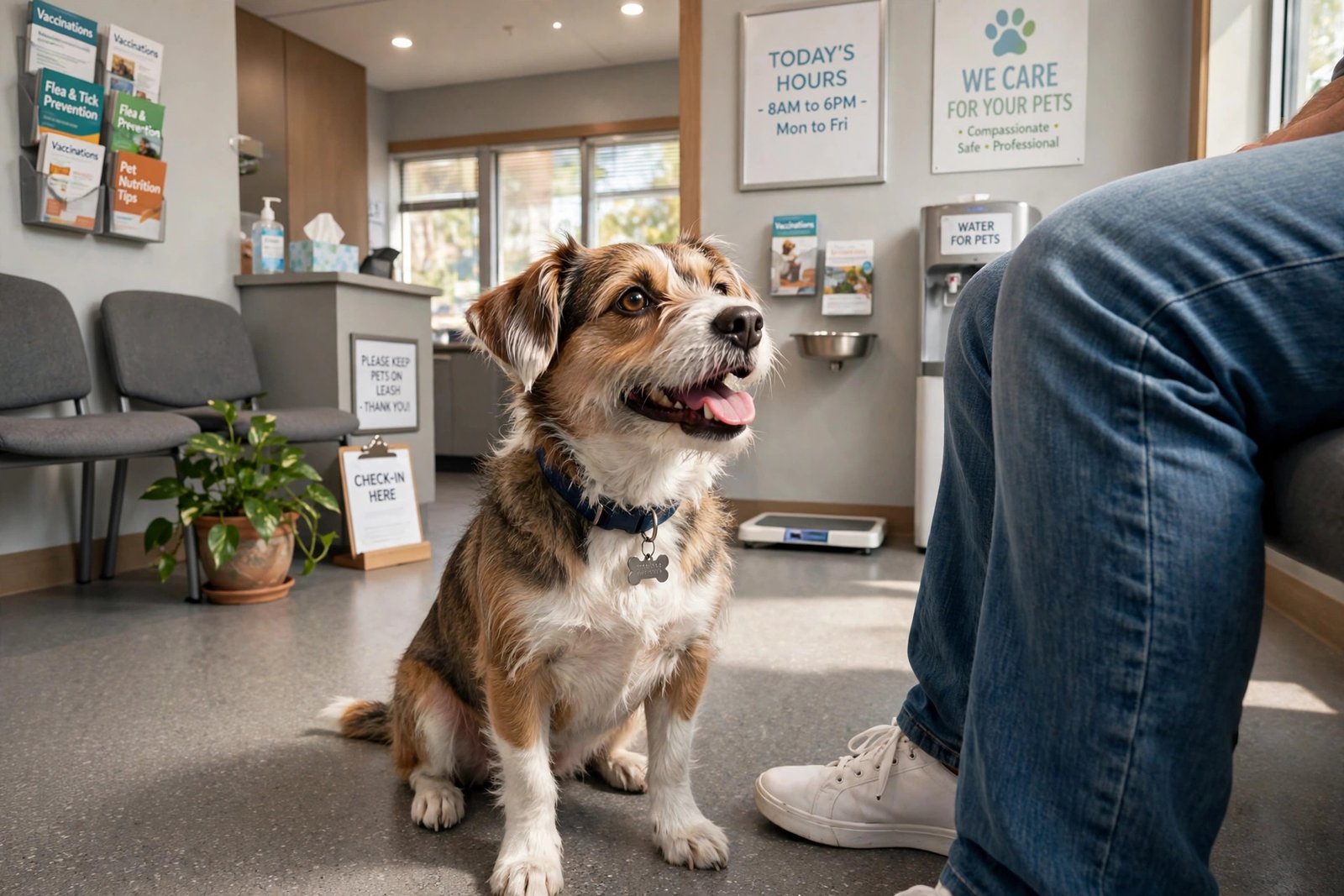
Making Vet Visits Less Stressful
One of the biggest reasons owners postpone checkups is that their pet hates going. The good news is that vet anxiety is very manageable with a little preparation:
Practice handling at home. Gently touching your pet’s paws, ears, and mouth during calm moments at home makes the exam-table version far less alarming. Pair it with treats and keep sessions short and positive.
Keep the carrier out. For cats, a carrier that only appears for vet trips becomes a scary signal. Leaving it out with a cozy blanket inside turns it into ordinary furniture.
Stay calm yourself. Pets read your tension. A relaxed, matter-of-fact attitude from you goes a long way — and most vet staff are skilled at keeping things low-key.
Ask about fear-free options. Many clinics now use low-stress handling techniques, and some vets will suggest a mild calming aid before the visit for especially anxious pets. There is no shame in asking; the staff would rather have a calm patient too.
Reward after. A favorite treat or a fun walk after the appointment helps your pet build a neutral-to-positive association over time.
The Bottom Line
Regular vet checkups are not about finding problems — they are about keeping a healthy pet healthy. The annual (or twice-yearly, for seniors) wellness exam is your pet’s best defense against the slow, silent issues they would never tell you about, and it gives you a professional partner who knows your individual animal. Think of it less like a repair shop visit and more like routine maintenance: the boring, uneventful appointments are exactly the ones you want.
If it has been more than a year since your pet’s last checkup, consider this your nudge. Call your clinic, book the wellness exam, and jot down two or three questions beforehand. Your future self — and your pet — will thank you.
Frequently Asked Questions
How often do healthy dogs need vet checkups?
Most vets recommend an annual wellness exam for healthy adult dogs. Puppies need more frequent visits for their vaccine series, and senior dogs (often around age 7 and up, earlier for large breeds) may benefit from twice-yearly checkups. Your vet can tailor the schedule to your dog’s age, breed, and health history.
How often do healthy cats need vet checkups?
Healthy adult cats generally do well with a yearly wellness exam. Kittens need a series of visits early on, and senior cats (often around age 10 and up) may do better with checkups every six months, since health changes can happen quickly in older cats. Indoor cats need checkups too — indoor life does not make them immune to dental disease, weight gain, or other common issues.
What does a routine vet checkup cost?
Costs vary widely by location and clinic, but a basic wellness exam in the US often falls somewhere in the range of $50 to $100, before any vaccines, tests, or preventives. It is worth calling your local clinics for their exam fee — and remember that preventive care usually costs far less than treating an advanced condition.
Can I skip the vet visit if my pet seems perfectly healthy?
It is not advisable. Pets instinctively hide discomfort, and many common issues — early dental disease, gradual weight gain, heart murmurs, lumps — are hard for owners to detect. The wellness exam exists precisely for the “seems fine” cases, and catching something early almost always leads to simpler options.
What should I bring to a vet checkup?
Bring any vaccination records you have, a list of current medications or preventives, a note of any behavioral or appetite changes you have noticed, and your questions. For cats, bring them in a secure carrier; for dogs, a leash (and maybe a favorite treat for good behavior afterward).
Do indoor pets really need annual checkups?
Yes. Indoor pets still develop dental disease, gain weight, and age — and they can still be exposed to parasites and airborne irritants. The exam also establishes a baseline of what is normal for your pet, which makes it much easier for your vet to spot when something changes.
[…] the checklist alongside weight, coat, and ears. If you’re building that routine-visit habit, regular vet checkups matter explains what those appointments cover and why the mouth check is part of […]
[…] administratively easy clinic is one you’ll actually use for preventive care. Our article on why regular vet checkups matter explains what that preventive rhythm looks […]