
How to Help Your Dog Lose Weight Safely
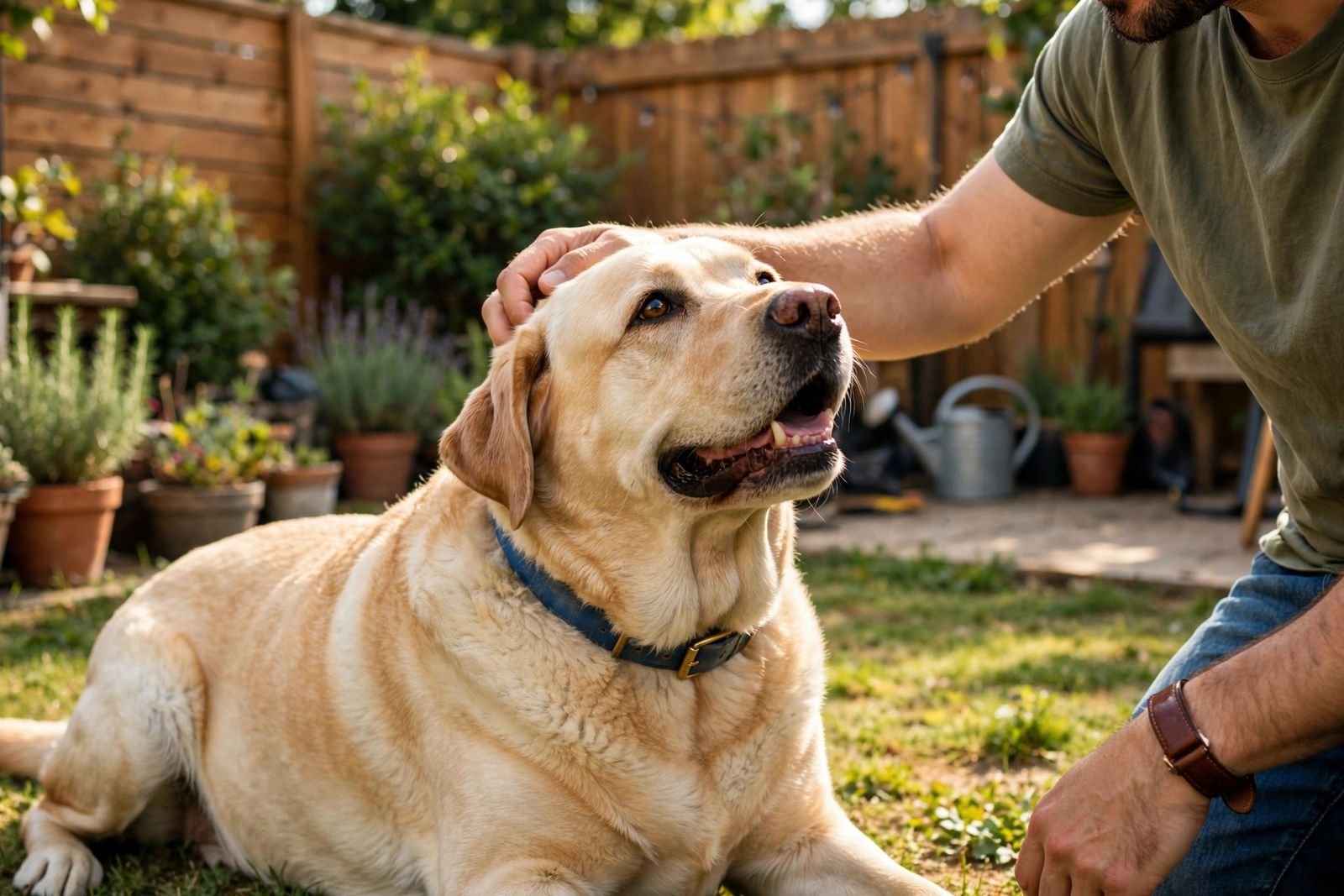
Nobody plans to have a chubby dog. It happens the way it happens with the rest of us — a little extra here, a few too many treats there, slightly shorter walks in winter — until one day you look at your dog from above and realize the waistline has quietly disappeared. Many owners feel embarrassed bringing it up. They shouldn’t. Extra weight is one of the most common issues vets see, and it is also one of the most fixable.
Helping a dog lose weight is not complicated, but it does need patience and honesty — mostly honesty about how much food is actually going in. This is a gentle, realistic plan built on portions, movement, and habits, with your vet as a partner. No crash diets, no guilt trips, just steady progress.
Quick Tips
- Start with a vet check — rule out health issues before changing anything.
- Measure every meal with a real measuring cup, not a scoop-and-guess.
- Treats should stay under 10% of daily calories; swap big biscuits for tiny rewards.
- Build exercise up gradually — extra walks before extra intensity.
- Get the whole household on the same feeding plan, no secret snacks.
- Aim for slow loss: roughly 1–2% of body weight per week is plenty.
First: Is Your Dog Actually Overweight?
Before changing anything, make sure there is something to change. Breed standards vary wildly — a healthy greyhound looks skinny to someone used to Labradors — so go by body condition, not the scale alone. Vets use a simple hands-and-eyes check you can do at home.
Run your hands along your dog’s ribs. You should be able to feel them easily under a thin layer of fat, like the back of your hand — not see them sticking out, and not have to press hard to find them. Look at your dog from above: there should be a visible waist tucking in behind the ribs. From the side, the belly should tuck up rather than hang level with the chest. If the ribs are buried, the waist is gone, and the belly hangs straight, your dog is carrying extra weight.
That home check is a starting point, not a diagnosis. Book a vet visit before starting any weight-loss plan. Some conditions — thyroid issues, for example — cause weight gain, and no amount of portion control fixes a medical problem. Your vet can also tell you your dog’s ideal weight and how much to aim for, which turns a vague “he should lose some” into an actual target. Think of the vet as your coach here, not a judge.
Why the Extra Pounds Matter
I am not going to lecture — if you are reading this, you already care. But it helps to know what you are working toward. Extra weight makes everything harder on a dog’s body: joints carry more load, breathing takes more effort, and dogs at a healthy weight simply tend to be more energetic and playful. Owners often tell me the biggest surprise of a successful weight-loss plan was not the look — it was the personality change. The dog that had become a couch ornament starts initiating play again.
The encouraging flip side: dogs respond to weight management beautifully. Because you control the food bowl completely — unlike with humans, there are no secret midnight snacks unless the household allows them — steady, small changes produce steady results. Most dogs reach their target in a few months, not years.
The Food Audit: Where the Calories Hide
Weight loss in dogs is roughly 80% food. Exercise helps enormously, but you cannot out-walk a bowl that is too full. Start with an honest audit of everything that goes into the dog for three days — meals, treats, table scraps, the biscuit from the neighbor, the cheese used to hide pills. Write it down. Almost everyone is surprised.
The usual suspects: free-feeding (a bowl that is never empty), eyeballing portions instead of measuring, and treat creep — training treats, bedtime biscuits, “just a bite” of dinner, each small on its own, enormous together. A single slice of cheese is a meaningful chunk of a small dog’s daily needs. Once you see the full picture on paper, the fixes become obvious.
Fixing Portions Without a Hungry, Miserable Dog
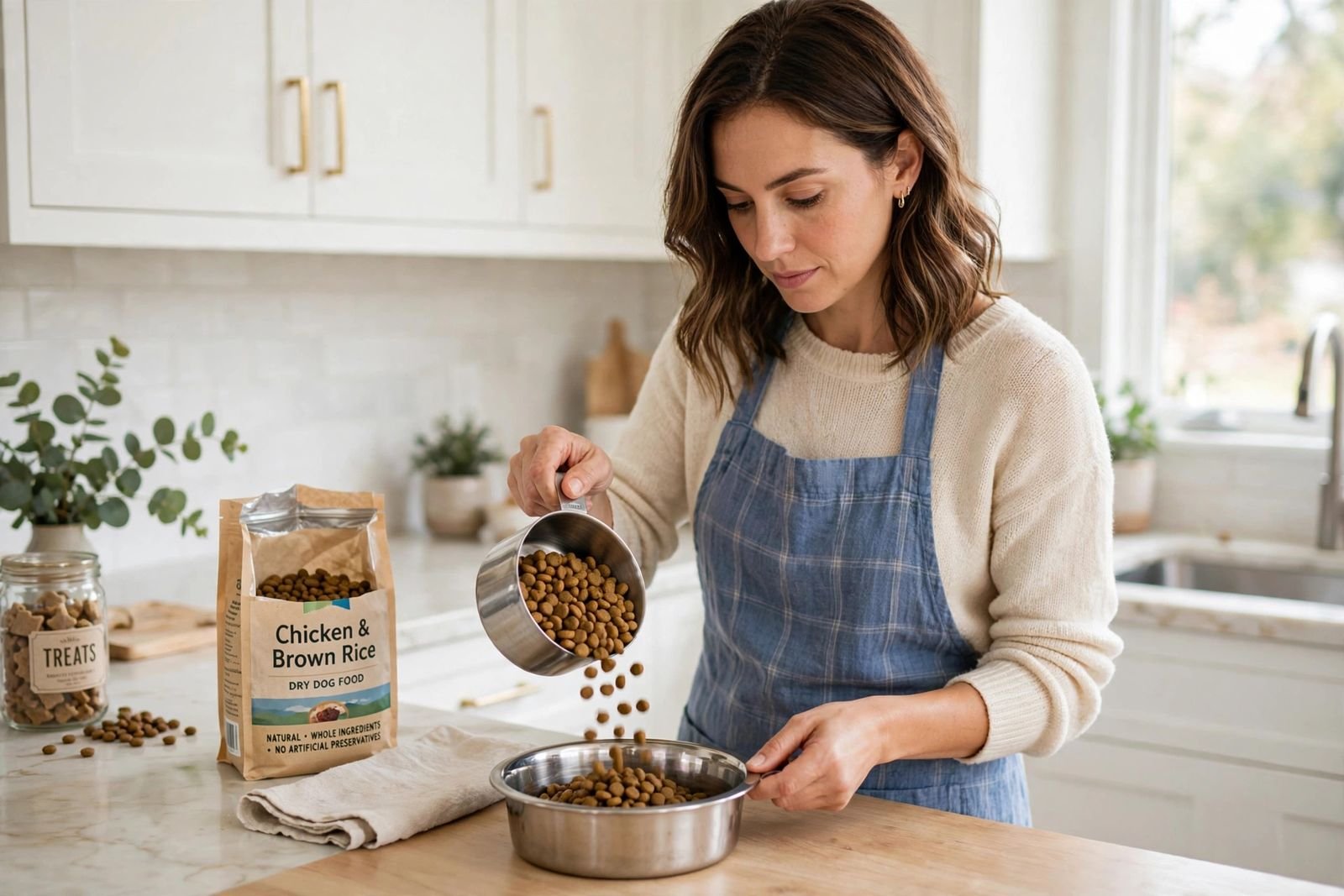
Here is the part people dread, and it is less dramatic than feared. Start by measuring what you currently feed with an actual measuring cup for a few days so you know the real number. Then reduce gradually — a common approach your vet may suggest is cutting back by around 10–15% to start, then reassessing after a couple of weeks. Small cuts beat big ones because a dog that is suddenly getting half rations will stage a hunger protest and raid the trash.
A few tricks make smaller portions feel bigger. Split the daily amount into two or three meals instead of one — more meals, same total, less begging between them. Slow-feeder bowls stretch a meal from ninety seconds to ten minutes, which genuinely increases satisfaction. And you can ask your vet about adding bulk with plain, dog-safe vegetables like green beans to the bowl — more volume, minimal calories. For the bigger feeding picture, my adult dog feeding schedule guide covers meal timing that keeps hunger manageable.
Do not skip meals or put your dog on a crash diet. Dogs need consistent nutrition, and drastic cuts can cause more problems than they solve — including the kind of food obsession that makes the whole project miserable. Slow and boring wins this race.
Treats: The Budget You Did Not Know You Had
Think of treats as a daily budget: roughly 10% of your dog’s daily calories, max. That sounds restrictive until you realize how far tiny treats go. Break biscuits into pea-sized pieces — dogs care about the event of getting a treat, not the size. For training sessions, use part of the dog’s measured meal kibble as rewards instead of extra treats. The dog will never know the difference.
Table scraps are the budget-killer. A few bites of dinner here and there can quietly double a small dog’s intake, and rich human food upsets stomachs too. If the begging eyes are breaking you, keep a stash of low-calorie swaps by the table: baby carrots, apple slices (no seeds), or blueberries. Check what is safe first — my guide on dogs and peanut butter is a good example of how to vet a human food before sharing. And the hardest part: everyone in the house follows the same rules. A weight-loss plan with one secret treat-giver is a plan that fails.
Exercise: Build It Up Like Training, Because It Is
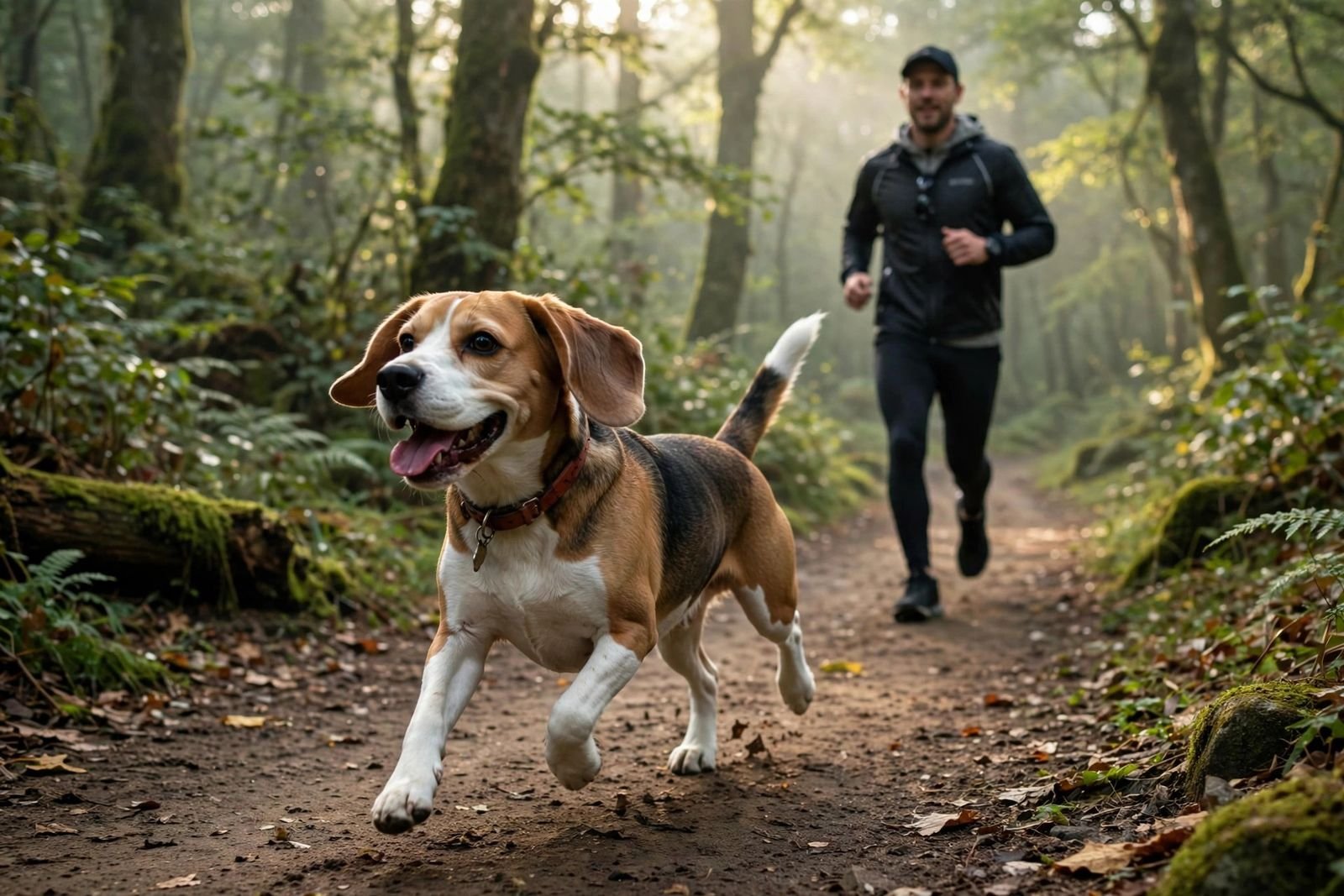
For an overweight dog, exercise is medicine — but the dose starts small. A dog carrying significant extra weight has stressed joints, so going from couch to five-mile hikes invites injury. Start with what the dog can do comfortably: two or three short, easy walks a day, on soft surfaces where possible, and add five minutes per walk each week.
Walking is the foundation. Swimming is the secret weapon if you have access — it burns calories with almost no joint impact, and most dogs love it. Gentle play sessions (fetch at the dog’s pace, not yours), nose games, and puzzle feeders add movement without pounding. The goal is consistency over intensity: a daily 30-minute walk beats a heroic weekend hike followed by four days of soreness.
Watch the dog, not the plan. Heavy panting that does not resolve quickly after stopping, lagging behind, or stiffness the next day all mean you pushed too far — scale back. And in hot weather, shift walks to early morning or evening; overweight dogs overheat faster. My dog walking frequency guide has the baseline routine to build from once fitness improves.
Tracking Progress (and Staying Honest)
What gets measured gets managed. Weigh your dog every two to four weeks — same scale, same time of day. Many vet clinics will let you pop in for a free weigh-in between appointments; take advantage of it. A reasonable pace is around 1–2% of body weight per week. Faster than that, and you are probably cutting too hard; slower, and something in the plan needs adjusting.
Take a photo from above and the side on day one, then monthly. The scale moves slowly, but a monthly photo comparison is incredibly motivating. Keep a simple log: food measured, walks done, weight. When progress stalls — and it will, plateaus are normal — the log tells you and your vet exactly what is happening.
Celebrate the non-scale wins too: more energy on walks, playing with toys again, easier breathing, the waistline reappearing. Those show up before the scale moves much, and they are the real point of the whole project.
Frequently Asked Questions
How fast should my dog lose weight?
Slowly — around 1–2% of body weight per week is a sensible pace most vets are comfortable with. A 30-pound dog losing half a pound a week is doing great. Faster loss usually means the diet is too restricted, which is unsustainable and can cause other issues. Plateaus of a few weeks are normal; adjust with your vet rather than slashing food further on your own.
Should I switch to a “diet” dog food?
Maybe, but talk to your vet first. Weight-management formulas can help because they are designed to keep dogs feeling full on fewer calories — but simply measuring the current food correctly and cutting treats often works just as well. Do not switch foods abruptly; any change should be gradual over a week or so to avoid stomach upset.
My dog acts starving all the time. Am I feeding too little?
Probably not — most dogs act starving regardless. Dogs are opportunistic eaters by nature; begging is not reliable evidence of hunger. If you are feeding the measured amount your vet agreed on and the dog is otherwise healthy and energetic, the “starving” performance is theater. Splitting meals and using slow feeders help with the between-meal drama.
Can I just exercise my dog more instead of feeding less?
Exercise alone rarely does it. A dog would need an enormous amount of extra activity to burn off even a modest food surplus, and overweight dogs cannot safely do that much yet. The winning formula is both: sensible portions plus gradually increasing exercise. Food does most of the weight-loss work; exercise protects muscle, joints, and mood.
What if my dog is not losing weight despite the plan?
First, audit for leaks — unmeasured treats, table scraps, another family member feeding extra. If the plan is truly being followed and the scale is not moving after a month, go back to your vet. Medical causes of weight gain and metabolic differences are real, and that is exactly what vets are for. Do not just keep cutting food on your own.