

How to Keep Your Dog Cool in Summer
Two summers ago, during a brutal heatwave, I made a mistake I still feel guilty about. I took my terrier mix out for his normal midday walk — same route, same pace — because it was “just a walk.” Halfway around the block he stopped, flopped onto a patch of grass, and refused to move. His panting was loud and frantic in a way I had never heard. I carried him home, cooled him down with damp towels, and spent the rest of the day watching him like a hawk. He was fine, but it scared me straight — I had no idea how fast heat turns dangerous for a dog.
Dogs overheat far more easily than people do, and they cannot tell you when they are in trouble until they already are. Learning how to keep your dog cool in summer is one of those seasonal skills every owner needs — a mix of schedule changes, simple gear, and knowing the warning signs. Here is the full playbook I now follow every summer.
Published: May 26, 2026 | Last updated: May 26, 2026
Quick Tips
- Walk early morning or late evening; skip the midday heat entirely.
- Test pavement with the back of your hand — if it is too hot for you, it is too hot for paws.
- Keep fresh, cool water available at all times, indoors and out.
- Never leave your dog in a parked car, not even for a minute.
- Provide shade and airflow; cooling mats and kiddie pools help a lot.
- Learn the signs of overheating — heavy panting, drooling, wobbliness — and act fast.
Why Dogs Overheat So Easily
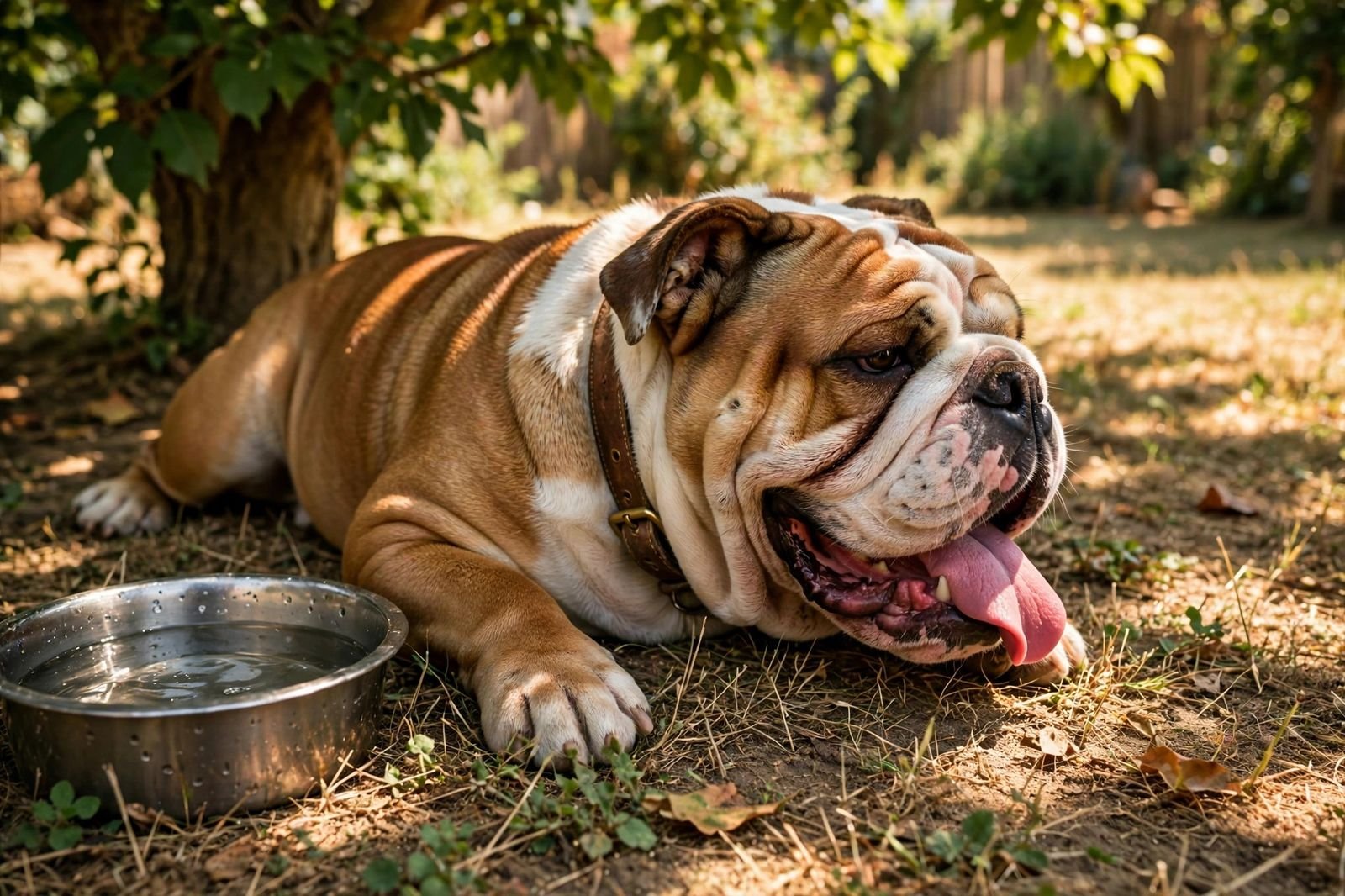
Humans cool down by sweating all over. Dogs barely sweat at all — just a little through their paw pads. Their main cooling system is panting: rapid breathing that evaporates moisture from the tongue and airway. It works fine in mild weather. In serious heat, especially humid heat, it cannot keep up. The dog pants harder, which generates more body heat, which requires more panting. It is a spiral, and it can escalate frighteningly fast.
Some dogs are at much higher risk. Flat-faced breeds — bulldogs, pugs, boxers, shih tzus — have narrowed airways that make panting less efficient, so they overheat faster and with less warning. Puppies, seniors, overweight dogs, and dogs with thick double coats are also more vulnerable, as is any dog with a heart or breathing condition. If your dog is in one of these groups, everything in this article applies double.
And dogs will not always stop themselves. A driven dog will chase a ball until it collapses; a loyal one will keep walking beside you long past quitting time. You have to be the one who calls it. That is the job.
Rethink the Daily Schedule
Summer is not the season for routine — it is the season for adjusting the routine. The single biggest change: move exercise to the cool edges of the day. Early morning, ideally before 9 a.m., and late evening after the sun drops. The midday walk goes on hiatus from roughly June through August. Your dog will not miss it; dogs adapt to schedule changes within days.
Shorten and slow down. A 45-minute midday march becomes a 25-minute easy morning stroll with plenty of sniffing in the shade. On genuinely brutal days, skip the walk and do indoor play or training instead — a normal week of slightly shorter walks beats one heat emergency every time. For the full breakdown of matching exercise to conditions, my dog walking guide covers how to adjust by breed and energy level.
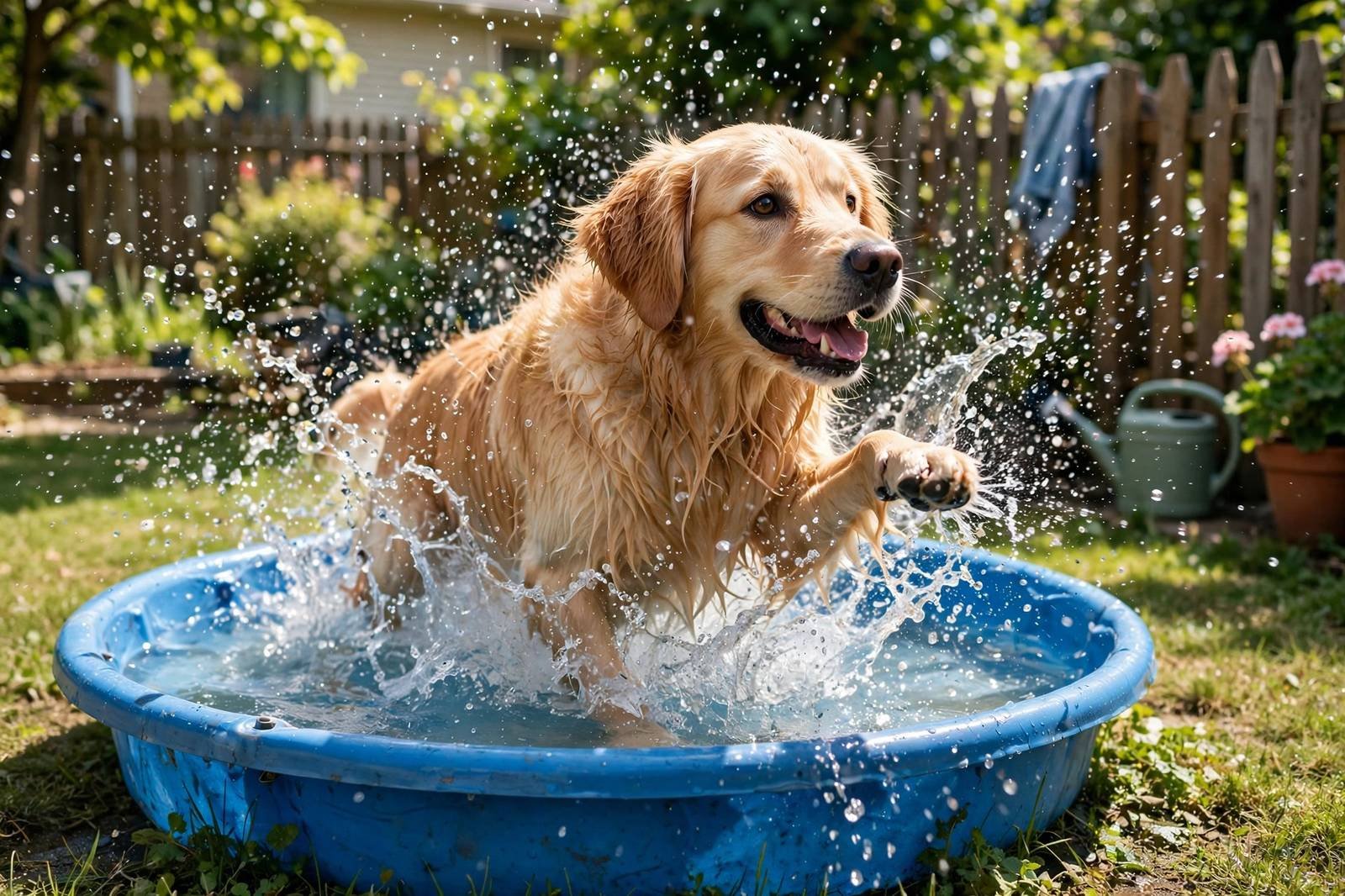
And rethink what “exercise” means in summer. Swimming, where safe and allowed, is the perfect hot-weather workout — full-body exercise with zero overheating risk. A sprinkler or kiddie pool in the yard turns a restless afternoon into a party. Even a frozen stuffed Kong counts as activity when the alternative is a dangerous walk. Get creative; your dog will not file a complaint.
The Pavement Test (and Paw Protection)
Here is the rule I wish someone had tattooed on my brain that first summer: press the back of your hand to the pavement and hold it for seven seconds. If you cannot, your dog cannot walk on it. Asphalt in direct sun can run 40–60 degrees hotter than the air temperature — on a 90°F day, pavement can literally burn paw pads within a minute.
Burned paw pads are painful, slow to heal, and completely preventable. Walk on grass where possible, stick to shaded routes, and keep to the cool hours. Dog booties exist and some dogs tolerate them, but most dogs hate them and they trap heat — shade and timing are better solutions for most owners. After summer walks, make it a habit to check paws for redness, blisters, or limping. If you notice your dog licking its paws obsessively after walks, the ground may be the culprit.
Water, Shade, and Airflow: The Holy Trinity
These three do most of the work, and they are all simple.
Water. Fresh, cool water available at all times — indoors, in the yard, and on every walk. On walks, carry water and a collapsible bowl; do not rely on finding a fountain. Some dogs drink less when stressed or in new places, so offer often. Adding a few ice cubes to the bowl on hot days is fine and most dogs enjoy fishing them out.
Shade. If your dog spends time in the yard, shade is not optional — a doghouse in full sun is an oven, not shelter. Trees, shade sails, or a covered patio area all work. Remember that shade moves with the sun; the shady spot at noon may be blazing at 3 p.m. Check it through the day on the hottest days.
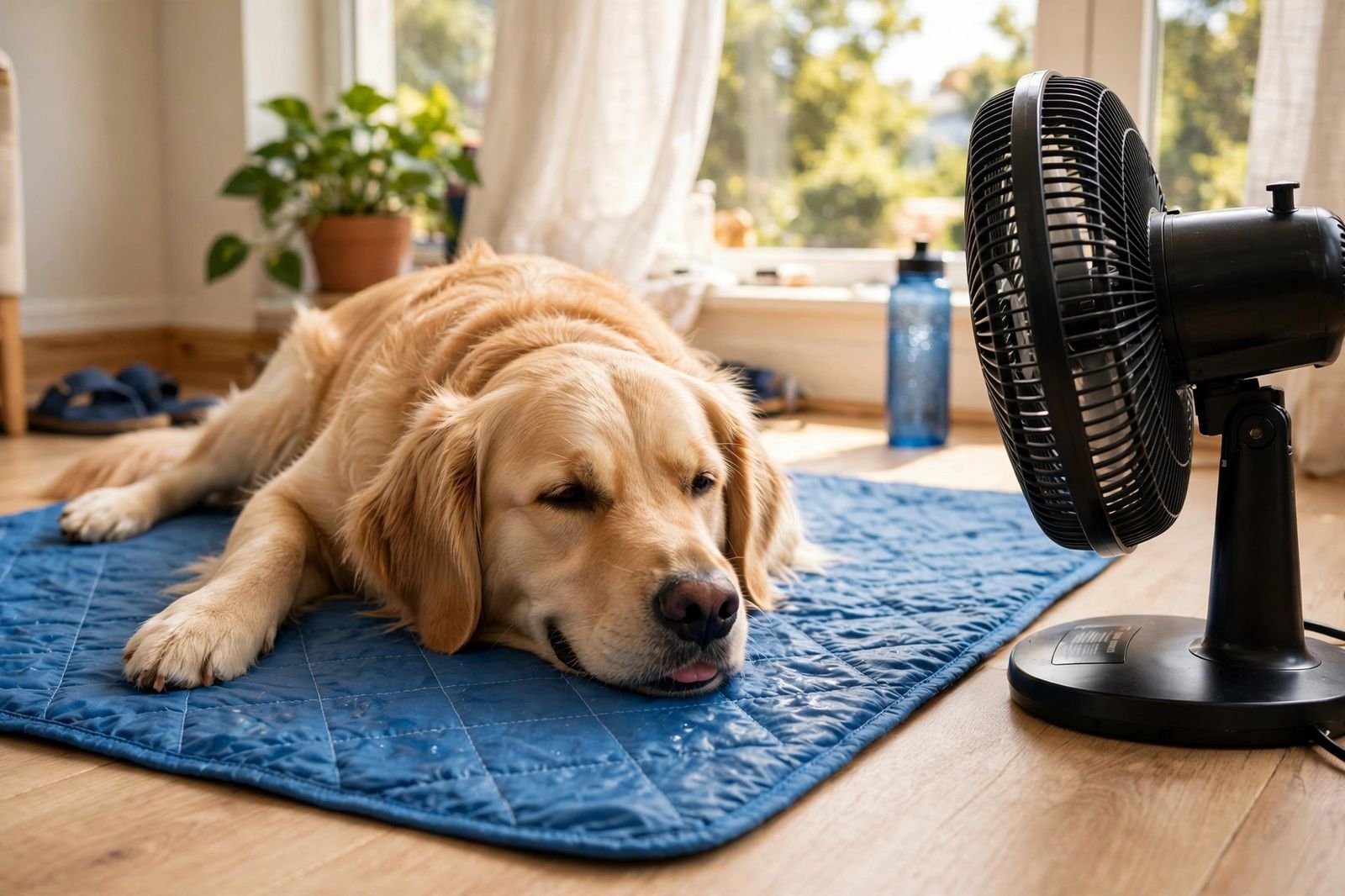
Airflow. Indoors, fans and air conditioning make an enormous difference. If you do not have AC, create cross-ventilation and give the dog access to cool floors — tile and hardwood beat carpet in summer, and many dogs will choose the bathroom tile on their own. Never confine a dog to a hot room, a sunny conservatory, or a garage in summer.
Cooling Gear and Tricks That Actually Help
You do not need much, but a few things genuinely earn their place:
Cooling mats. The pressure-activated gel ones work surprisingly well — no water, no freezer, no electricity. Put one where the dog naps. Most dogs figure it out within a day.
Kiddie pool. The single best summer purchase I have made for my dog. A few inches of water, some shade, and most dogs will splash, lie down, and regulate their own temperature. Rinse it every couple of days so it does not get slimy.
Frozen treats. Stuff a Kong with peanut butter and freeze it overnight — it lasts three times as long and cools from the inside. Frozen broth cubes and ice cubes with blueberries inside are hits too. Keep portions sensible; frozen does not mean unlimited.
Damp towels. On very hot days, a cool damp towel draped over the body helps, especially on the belly and paw pads where fur is thinner. Re-wet as it warms. This is also your first-response tool for suspected overheating — more below.
Cooling vests. Evaporative cooling vests work for some dogs on walks — you soak them, wring them, and the evaporation cools the dog. They are not magic, and they do not replace shade and timing, but they take the edge off for heat-sensitive breeds.
The Grooming Question: To Shave or Not to Shave
Every summer, someone suggests shaving the dog “to cool him off.” For most dogs, do not. A dog’s coat — especially a double coat like a husky’s or golden retriever’s — insulates against heat as well as cold, and it protects the skin from sunburn. Shaving it off can make overheating worse and sunburn likely.
What does help: regular brushing to remove the loose undercoat that traps heat. A good deshedding session in early summer does more for cooling than clippers ever will. Keep the coat clean and mat-free — mats trap heat against the skin. If your dog has a continuously growing coat like a poodle’s, a shorter summer trim (not shaved to the skin) is reasonable. When in doubt, ask your groomer rather than experimenting. And keep up the routine care — my dog bathing guide covers how often to wash through the sweaty months.
Know the Warning Signs of Overheating
This is the section to read twice. Heatstroke in dogs can turn fatal fast, and early action is everything. Watch for: heavy, rapid panting that does not ease with rest; thick drooling; bright red tongue and gums; wobbliness or stumbling; vomiting; and a glazed, unfocused expression. If a dog collapses or has trouble standing, that is an emergency.
If you suspect overheating: move the dog to shade or air conditioning immediately, offer small amounts of cool (not ice-cold) water, and cool the body with damp towels on the belly, armpits, and paw pads — or a cool (not cold) water dousing. Do not use ice water, which can constrict blood vessels and slow cooling. Then get to a vet promptly, even if the dog seems to recover — internal effects can lag behind. Knowing when a situation needs a vet versus home monitoring is critical here; heat emergencies lean vet, fast.
The best treatment, obviously, is prevention — everything above in this article. But heat emergencies happen to prepared owners too, usually through a freak combination of circumstances. Knowing the signs and the first response is the difference between a scare and a tragedy.
Frequently Asked Questions
What temperature is too hot to walk a dog?
There is no single number, because humidity, sun, breed, and fitness all matter — but as a rough guide, be cautious above 80°F and seriously reconsider above 85–90°F, especially for flat-faced, elderly, or overweight dogs. The pavement test matters more than the air temperature: if the ground burns your hand, the walk waits for evening.
Can dogs get sunburned?
Yes — especially dogs with short, light-colored, or thin coats, and any dog with shaved or sparse areas. Ears, noses, and bellies are the usual spots. Limit midday sun exposure, provide shade, and ask your vet about pet-safe sunscreen for vulnerable areas. Human sunscreen is not safe for dogs.
Is it okay to shave my dog for summer?
Usually not. Double coats insulate against heat and protect against sunburn — shaving can make things worse. Regular brushing to remove loose undercoat is the better move. Continuously growing coats like a poodle’s can take a shorter summer trim, but not shaved to the skin. Ask your groomer if you are unsure.
How much water should my dog drink in summer?
More than usual — heat and panting increase water loss. Keep fresh water available at all times and carry water on every walk. If your dog suddenly drinks dramatically more or less than normal, or seems lethargic alongside it, check in with your vet rather than guessing.
Are cooling vests and mats worth buying?
Cooling mats are the best value — cheap, no maintenance, and most dogs use them voluntarily. Kiddie pools beat both for actual cooling power. Cooling vests help on walks for heat-sensitive breeds but do not replace shade, timing, and water. Start with the free stuff (schedule, shade, water) before buying gear.
What should I do if I see a dog locked in a hot car?
Act quickly. Note the car’s make, model, color, and license plate, and have the business or parking facility page the owner immediately. If the dog is in clear distress — heavy panting, drooling, lethargy, unresponsive — call emergency services or animal control right away. Laws about intervening directly vary by location, so know your local rules beforehand if you live somewhere hot.