
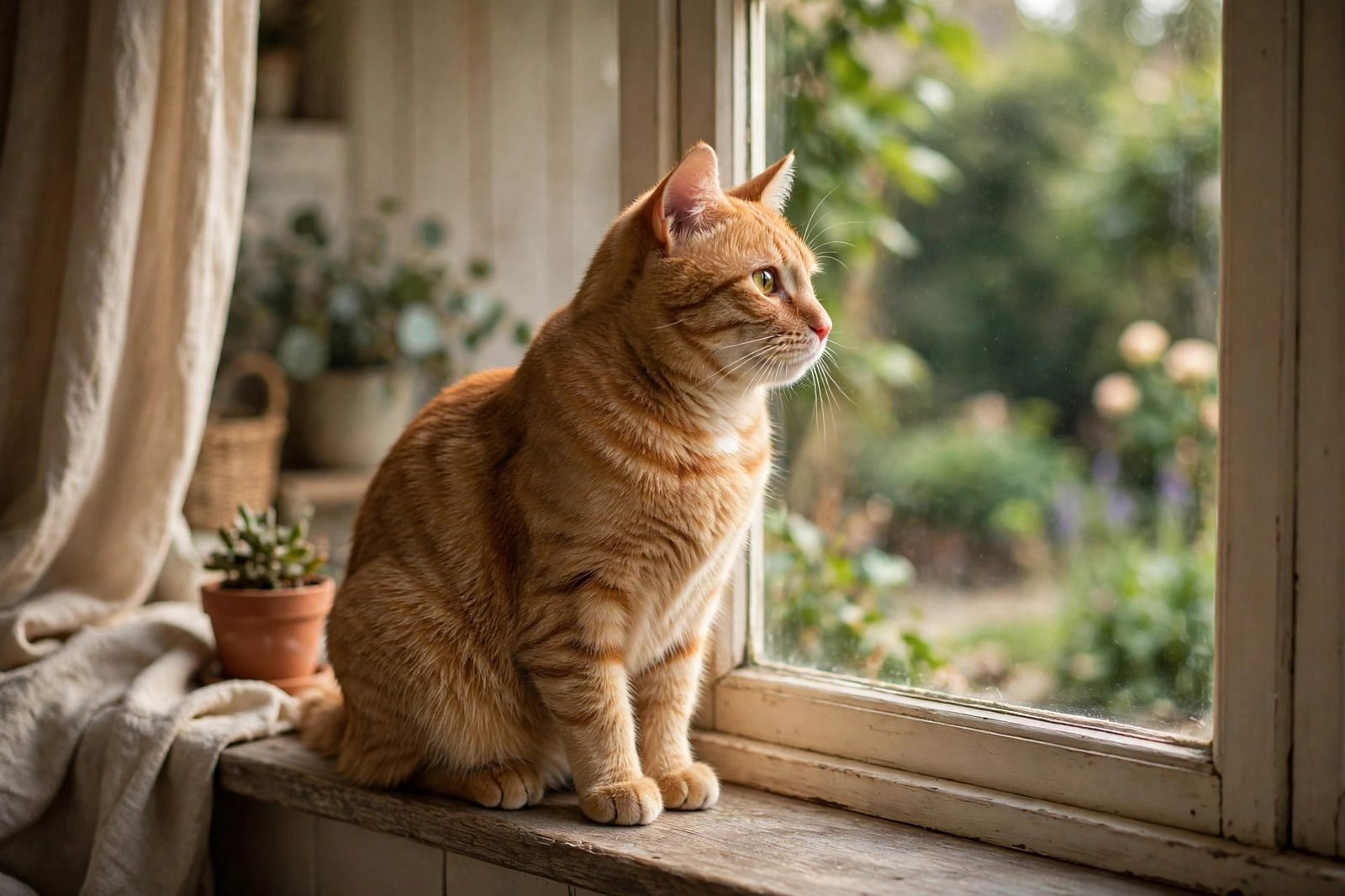

When I got Biscuit, my first instinct was to let her roam. I grew up around cats that came and went through a cat flap like tiny landlords, and it just felt… natural. Cats are predators. They like the outdoors. Keeping a cat inside full-time felt, honestly, a little cruel.
Then my neighbor’s cat got hit by a car on our street — a quiet street, the kind where kids play in the road — and everything changed. I spent a whole weekend reading, asking my vet questions, and watching Biscuit stare longingly out the window, and I came out the other side with a completely different view. Here’s the honest breakdown of the indoor vs outdoor question, minus the judgment you’ll find in most corners of the internet.
Published: April 29, 2026 | Last updated: April 29, 2026
Quick Tips
- Indoor cats live significantly longer on average than outdoor cats.
- Traffic is the single biggest danger for outdoor cats — even on quiet streets.
- A “catio” or window perch gives indoor cats outdoor stimulation safely.
- Harness training lets many cats enjoy the outdoors with supervision.
- Outdoor cats need more frequent vet checkups, parasite prevention, and vaccinations.
- Never let a new cat outside until they’re fully settled and microchipped.
- Check local laws — some areas restrict free-roaming cats.
The Short Answer
Indoor cats are safer. That’s not an opinion; it’s just what the numbers say. Cats that live exclusively indoors face fewer risks — no traffic, no fights with other animals, no poisons, no getting lost or stolen — and they live longer as a result. Most vets I know will tell you the same thing: if you can meet a cat’s needs indoors, that’s the safest option.
But “safer” isn’t the whole story. Some cats genuinely struggle indoors, and some people believe — strongly — that a cat’s quality of life matters as much as its length. This is one of those topics where reasonable people disagree, and I’ve tried to write this the way I wish someone had explained it to me: straight, no preaching.
What Outdoor Cats Actually Face
I think a lot of us underestimate the risks because the dangers are invisible most of the time. My childhood cat, Tom, roamed for twelve years and nothing ever happened to him. That felt like proof that outdoor life was fine. But it wasn’t proof of anything — it was luck. Here’s what’s actually out there:
Traffic
Cars are the number one killer of outdoor cats, full stop. And it’s not just busy roads — most cat road accidents happen on quiet residential streets where drivers aren’t expecting an animal to dart out. Cats don’t understand cars. They misjudge speed constantly. Even cats that have lived near roads for years get hit. When people say “my cat knows the road,” what they usually mean is “my cat has been lucky so far.”
Fights and injuries
Outdoor cats fight. With other cats, with dogs, with foxes (depending on where you live). Bite wounds get infected easily, and cat-bite abscesses are one of the most common reasons outdoor cats end up at the vet. Then there are the diseases spread through fighting and mating — feline leukemia (FeLV) and feline immunodeficiency virus (FIV) are both real, both serious, and both much more common in cats that roam and fight.
Poisons and toxins
Antifreeze is the classic one — it tastes sweet to animals and it’s lethal in tiny amounts. But there’s also rat poison, pesticides on lawns, and toxic plants. An indoor cat never encounters any of this. An outdoor cat walks through treated gardens and drinks from puddles, and you can’t control any of it.
Getting lost, trapped, or stolen
Cats wander into sheds and garages and get locked in. They get chased by dogs and end up miles from home, too scared to find their way back. Microchipping helps with the “lost” part (get it done, seriously), but it doesn’t prevent any of it from happening in the first place.
The Case for Outdoor Access (Yes, There Is One)
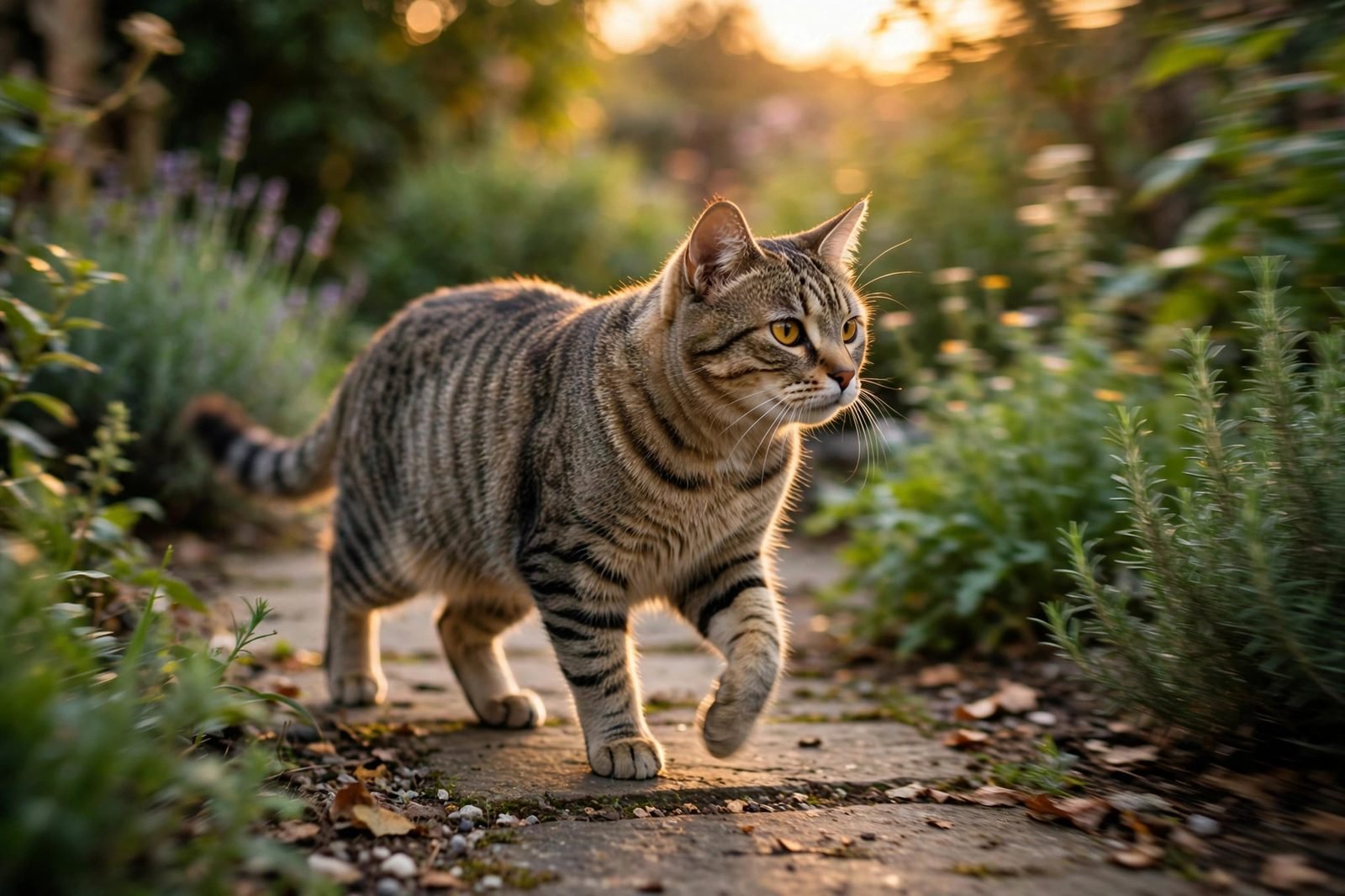
I’m not going to pretend the outdoor life has nothing going for it. Cats are hunters and explorers by nature. The outdoors gives them:
Real stimulation. Smells, sounds, textures, hunting, climbing — the outdoors is a sensory feast that no indoor setup fully replicates. An outdoor cat doesn’t need you to entertain them; the world does it.
Exercise. Roaming cats stay lean and fit almost by default. Indoor cats need deliberate effort from their owners to stay active, and a lot of owners don’t put in that effort. (I’ve been guilty of this.)
Natural behaviors. Hunting, patrolling territory, sunbathing on warm concrete — these are things cats evolved to do. Denying them entirely can feel wrong, especially if you have a cat that’s clearly frustrated indoors: yowling at doors, trying to bolt every time you open one, restless and destructive.
Some cats, especially former strays or farm cats, genuinely don’t adjust well to indoor-only life. For those cats, the question isn’t “indoor vs outdoor” — it’s “how do I give this cat outdoor access as safely as possible.”
The Indoor Life: What It Takes to Do It Right
Here’s the thing people miss: “indoor cat” shouldn’t mean “bored cat staring at a wall.” An indoor cat done right has a rich, interesting life. It just takes more effort from you. When I committed to keeping Biscuit indoors, I had to actually step up. Here’s what worked:
Vertical space
Cats think in three dimensions. A tall cat tree, shelves they can climb, the top of a wardrobe they’re technically not supposed to be on — vertical territory makes a small flat feel much bigger. Biscuit’s favorite spot in the world is a shelf above my desk where she can supervise me like a tiny manager. Cost me one shelf bracket. Worth every penny.
Window access
A window perch is the cheapest entertainment you’ll ever buy a cat. Birds, squirrels, people walking past — it’s cat television, and it’s free. I put a padded perch on the sunniest window in the flat, and Biscuit spends hours there.
Play that mimics hunting
Fifteen minutes of active play a day does more for an indoor cat than anything else. Wand toys, crinkle balls, anything that moves like prey. The key is to let them “catch” it sometimes — a cat that never catches anything gets frustrated. End play sessions with a small treat so the “hunt” ends in a “meal,” the way nature intended.
This is one area where dog owners sometimes have it easier — a dog’s exercise is built into the daily routine in a way a cat’s isn’t. I’ve written about how often you should walk your dog, and the underlying principle is the same: regular, predictable activity beats occasional marathons. Cats just need you to be the one who initiates it.
Safe outdoor options
This is the middle path, and honestly it’s where I landed with Biscuit. You don’t have to choose between “locked inside forever” and “free-roaming.” There’s a whole spectrum:
Catios. An enclosed patio or balcony space where the cat gets fresh air, sunshine, and bird-watching without any of the risks. They range from a window box to a full garden structure. Mine is a modest balcony enclosure, and Biscuit treats it like her personal resort.
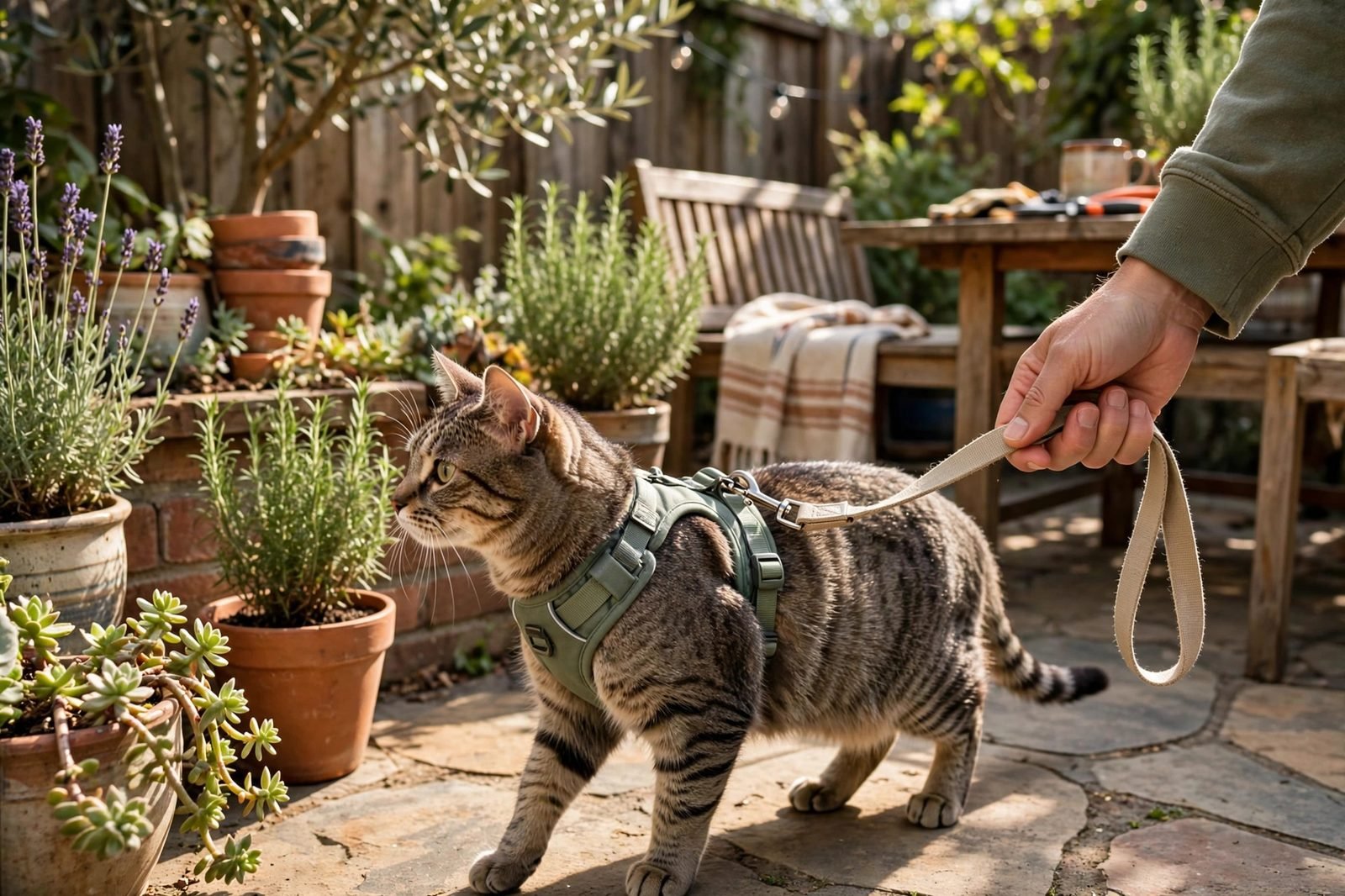
Harness and leash. Yes, you can walk a cat. No, it’s not like walking a dog — it’s more like following a small, opinionated explorer who stops to sniff every leaf. Biscuit took to the harness fast, and now we do little garden patrols on weekends.
Supervised garden time. If you have a secure garden, some cats do fine with supervised outdoor time. The key word is supervised.
What About Kittens and New Cats?
If you’ve just brought a cat home, keep them indoors for the first stretch — at minimum several weeks, ideally until they’re spayed/neutered, vaccinated, and microchipped. A new cat doesn’t know where home is yet. Letting them out too early is how cats get lost in week one.
There’s a related question with puppies that follows the same logic: when can puppies go outside for the first time is all about vaccinations and safety, and the same principle applies to kittens. The outside world can wait until they’re protected and settled. There’s no prize for rushing it.
The Honest Comparison
Let me lay it out the way I actually think about it now:
Lifespan: Indoor cats win, and it’s not close. The average indoor cat lives well into the teens; outdoor cats average much less, largely because of accidents rather than illness.
Health costs: Outdoor cats rack up more vet bills — abscesses, parasites, injuries. Indoor cats have their own issues (obesity is the big one), but they’re cheaper and more predictable to manage.
Mental stimulation: Outdoors wins by default, but a well-set-up indoor environment closes the gap most of the way. The problem isn’t indoor life — it’s boring indoor life.
The cat’s happiness: This is the one that’s genuinely individual. Most cats adapt beautifully to indoor life if it’s done well. A minority don’t, and for those cats you find safe compromises — catio, harness, supervised time — rather than just opening the door and hoping.
What I Actually Did
Biscuit is an indoor cat with balcony privileges and weekend harness walks. It took about a month of adjustment — she yowled at the door for the first two weeks, and I felt guilty every single time. Then she discovered the window perch, then the catio, then the harness, and the door-yowling stopped. Was it the right call? For us, yes. She’s healthy, she’s clearly content, and I don’t spend my evenings worrying. The goal was never “indoor at all costs” — it was “safe and happy,” and indoors happened to be how we got there.
Frequently Asked Questions
Is it cruel to keep a cat indoors?
Not if you meet their needs. A bored, lonely indoor cat with nothing to do is not living well — but that’s a failure of the setup, not of indoor life itself. An indoor cat with vertical space, window views, daily play, and companionship can be every bit as content as an outdoor cat, minus the risks.
Can I let my cat out just during the day?
Daytime is safer than nighttime (less traffic, fewer predators in most areas), but “safer” isn’t “safe.” If you want daytime outdoor time, supervised options like a catio or harness walks give you the benefits without the gamble.
My cat keeps trying to escape. What should I do?
First, make sure they’re spayed or neutered — unneutered cats are far more driven to roam. Then look at what they’re missing indoors: more play, a window perch, a catio, puzzle feeders. Escape attempts are usually a symptom of boredom or unmet needs, not a philosophical objection to indoor life. Address the need and the door-dashing usually fades.
Are outdoor cats bad for wildlife?
This is the uncomfortable part of the debate. Outdoor cats do kill a lot of wildlife — birds, small mammals, reptiles. The numbers are genuinely large. It’s one of the strongest arguments for keeping cats in, or at least for supervised outdoor time only. If you do let your cat out, a collar with a bell reduces (but doesn’t eliminate) hunting success.
What if I live somewhere rural and safe?
Rural areas trade traffic for other risks: predators (coyotes, foxes, birds of prey depending on your region), farm machinery, and greater distances to get lost in. The risk profile changes; it doesn’t disappear.
[…] — that’s not even a debate, and if you’re weighing the two lifestyles, my piece on indoor vs outdoor cats lays out the full comparison. But the trade-off is real: the average apartment doesn’t offer […]